
 October 16, 2026
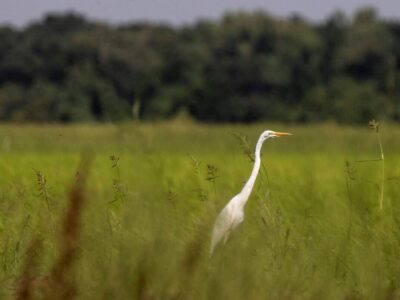
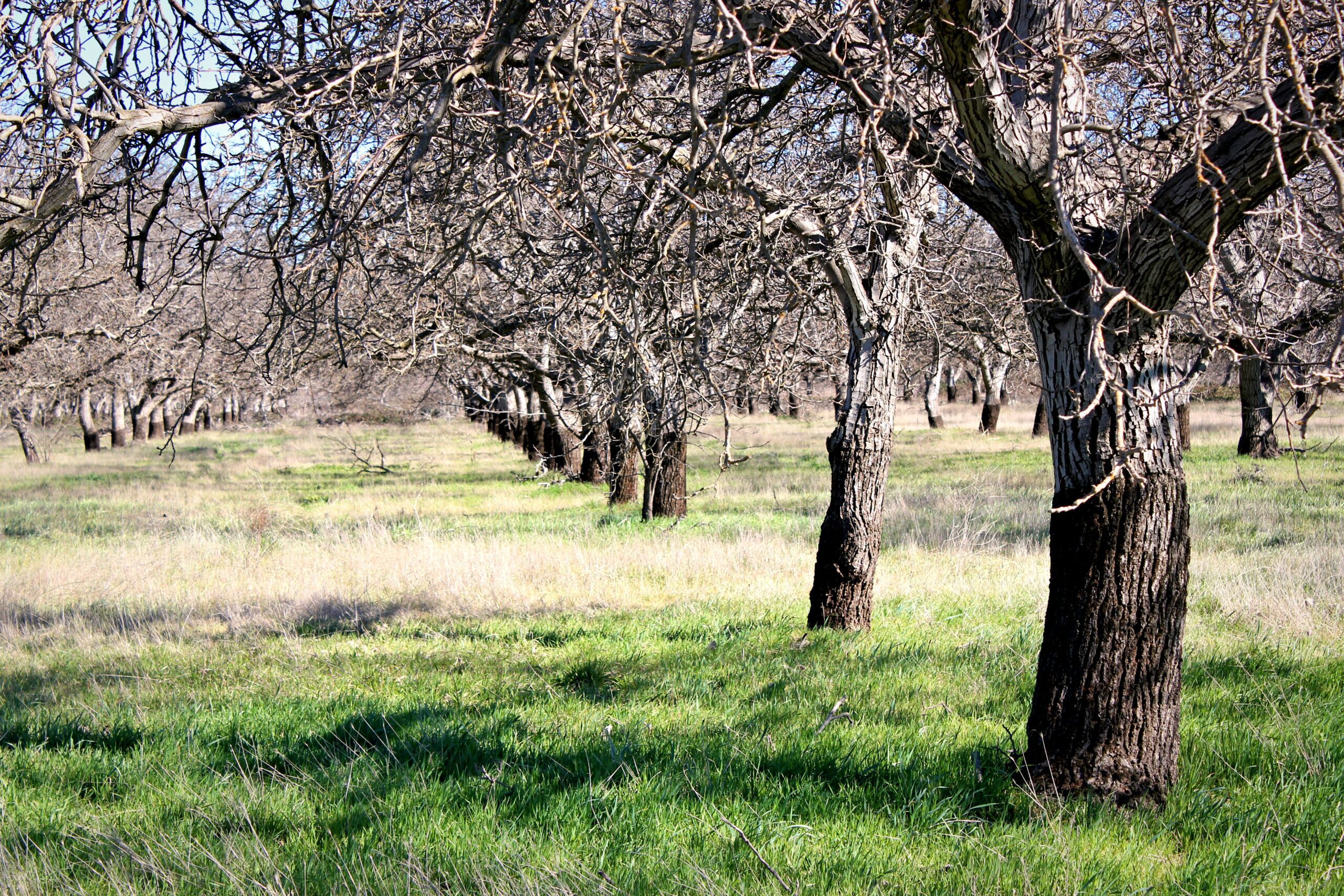
Bureau of Land Management (BLM) Wildlife Biologist Tobias Felbeck stood among the grasses at Rancho Breisgau in Shasta County, where River Partners began restoring 150 acres of floodplain habitat in 2024. Looking high into the trees through his binoculars, he was surprised by what he saw.
Felbeck spotted a Swainson’s hawk, a species designated as threatened under California’s Endangered Species Act (ESA), in a mature sycamore next to the restored area along the Sacramento River. The female hawk sat in a nest along with an adult male and two fledglings, the first confirmed nesting Swainson’s hawks in Shasta County in about 30 years.
Habitat loss, fragmentation, and climate change have driven wildlife populations down across California, and some species have vanished from their historic range altogether. This summer, several rare bird species appeared at River Partners restoration sites. Each story is different, but together they show our restoration is working.
Unexpected Breeding Pairs in Shasta County
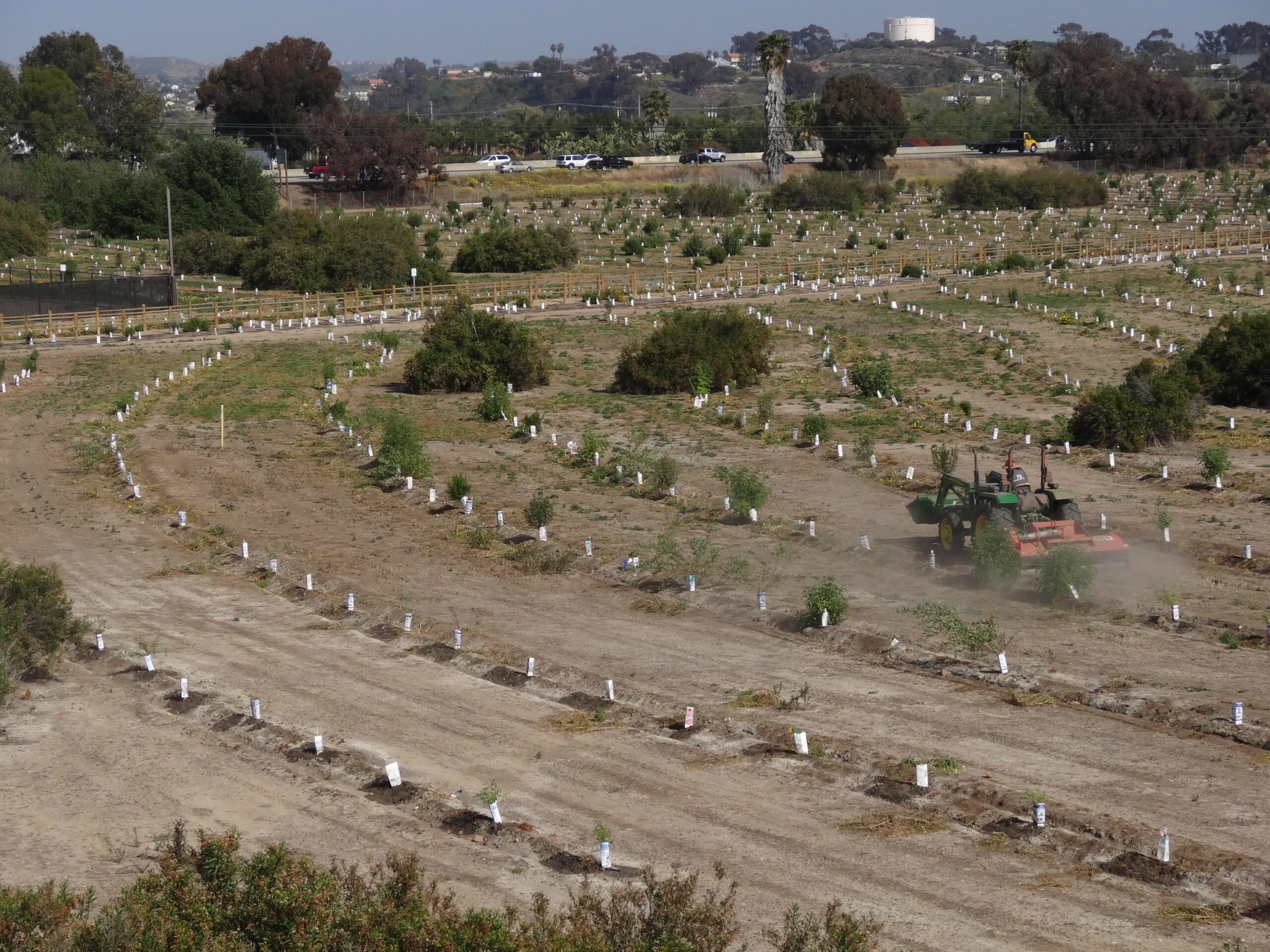
River Partners planted more than 32,000 trees and native plants at Rancho Breisgau to reconnect wildlife habitat and benefit declining species, including imperiled birds. Nesting Swainson’s hawks aren’t a trend, but they are an intriguing data point.
“The core of the Swainson’s hawk population goes between Sacramento and Stockton,” said River Partners Director of Restoration Michael Rogner. “Seeing a little bit of range expansion into Shasta County could be some evidence that they are recolonizing more of their historic range.”
Felbeck theorizes the adults found Rancho Breisgau while searching for a nest site, enticed by plentiful insects like grasshoppers and dragonflies that the restored landscape provides.
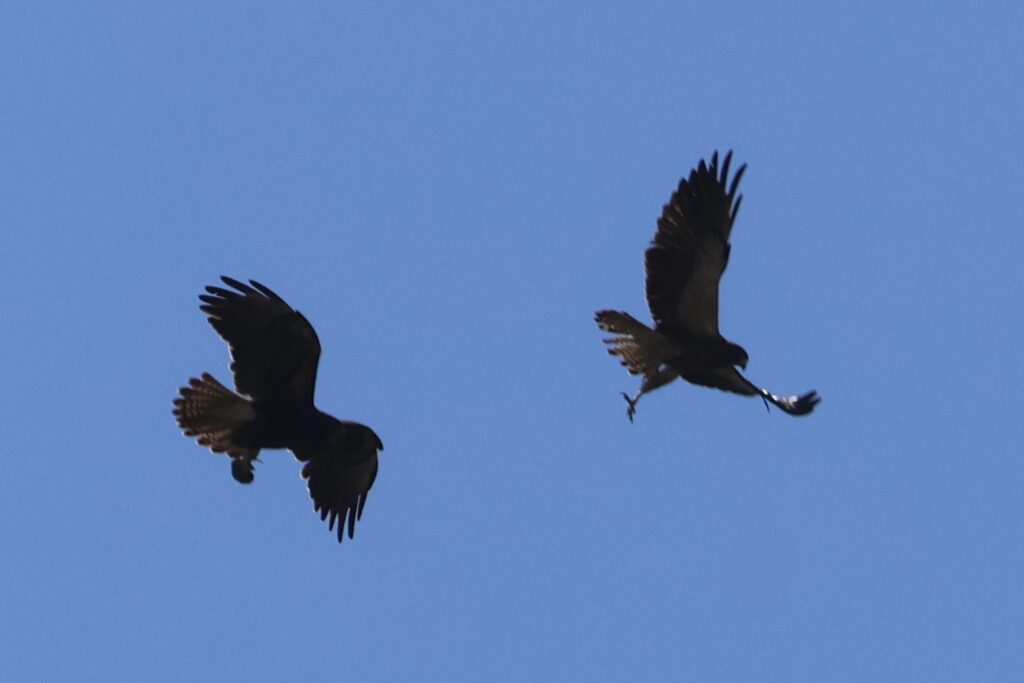
“Seeing them show up here means that the population is potentially improving and that we’re doing something right if that habitat is high enough quality that the adults are selecting for it,” Felbeck said. “The birds are telling us it’s a good place to make a nest.”
Later in the summer, Felbeck heard the song of a rare male indigo bunting. He spread the word, and conservationists soon gathered to see it.
“Then, they discovered there were actually two indigo buntings breeding,” Rogner recalled. “It’s one of the crazier bird records I’ve been involved with.”
Indigo buntings live mainly on the East Coast but have gradually expanded west to Texas, New Mexico, Arizona, and California’s Imperial County.
“All of a sudden, two of them showed up 500 miles outside of their range, breeding at one of our restoration sites at Rancho Breisgau,” Rogner said.
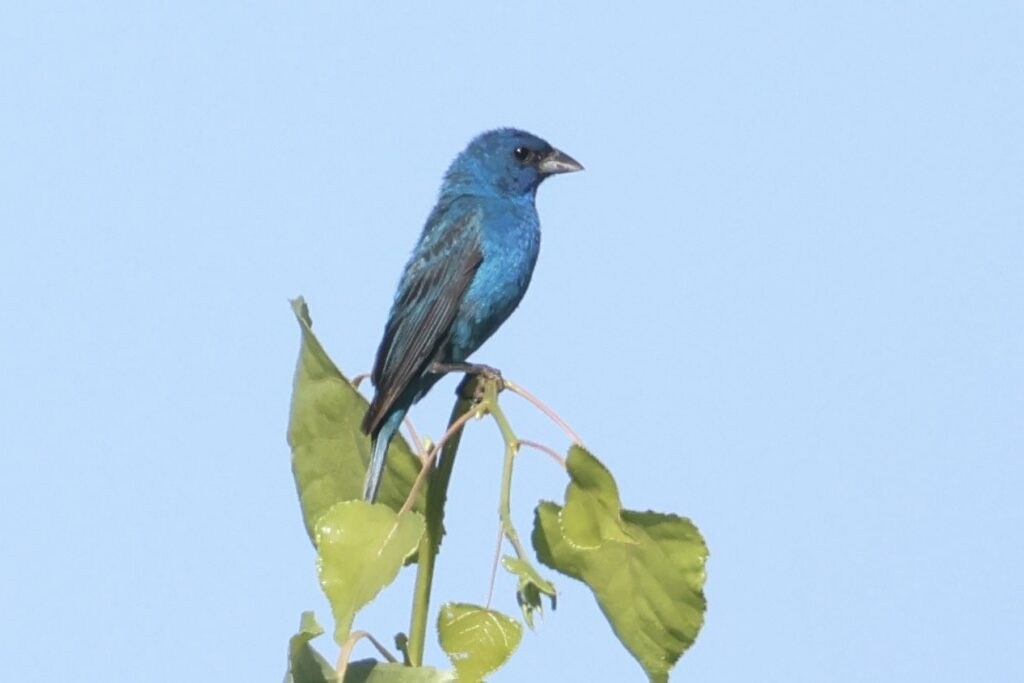
As just the fifth recorded indigo bunting in Shasta County and the first confirmed breeding pair (all previous records were likely lost migrants), Felbeck said both sightings underscore the importance of River Partners’ work.
“First the vegetation responded, then very quickly we saw insects return, and obviously the birds follow the bugs,” he said. “Seeing the indigo bunting was a real treat. That hammered home the importance of restored habitat because in the first year this habitat exists, we got the first county record in about two or three decades.”
Southern California Sightings Give Hope to Northward Trend
The least Bell’s vireo is listed as endangered under both the federal and California ESAs. Historically, it ranged throughout California’s Central Valley and Central Coast ranges, but habitat loss and brood parasitism by the brown-headed cowbird (a reproductive strategy where a bird lays its eggs in another species’ nest, forcing the host parents to raise its young) pushed it into a fraction of that range. Within three days in July, vireos were spotted at two former restoration sites in San Diego County, about 40 miles apart.
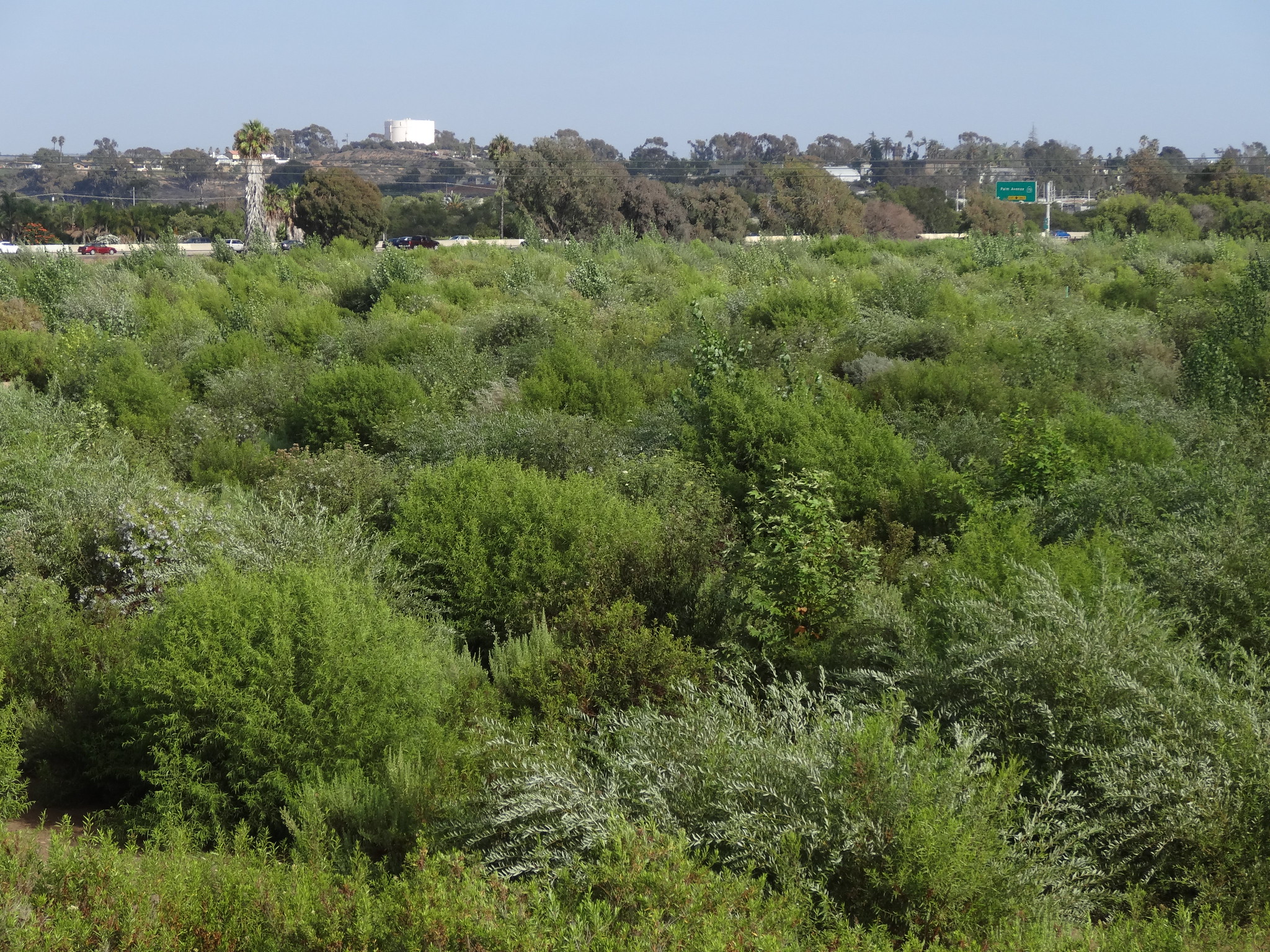
On July 21, two were spotted at Otay Delta, a 55-acre project within the San Diego Bay National Wildlife Refuge, where we planted 19,000 native trees and plants in 2014. Two days later, another was confirmed at San Dieguito River Park, where we planted 20,000 native trees and plants across 100 acres in 2018.
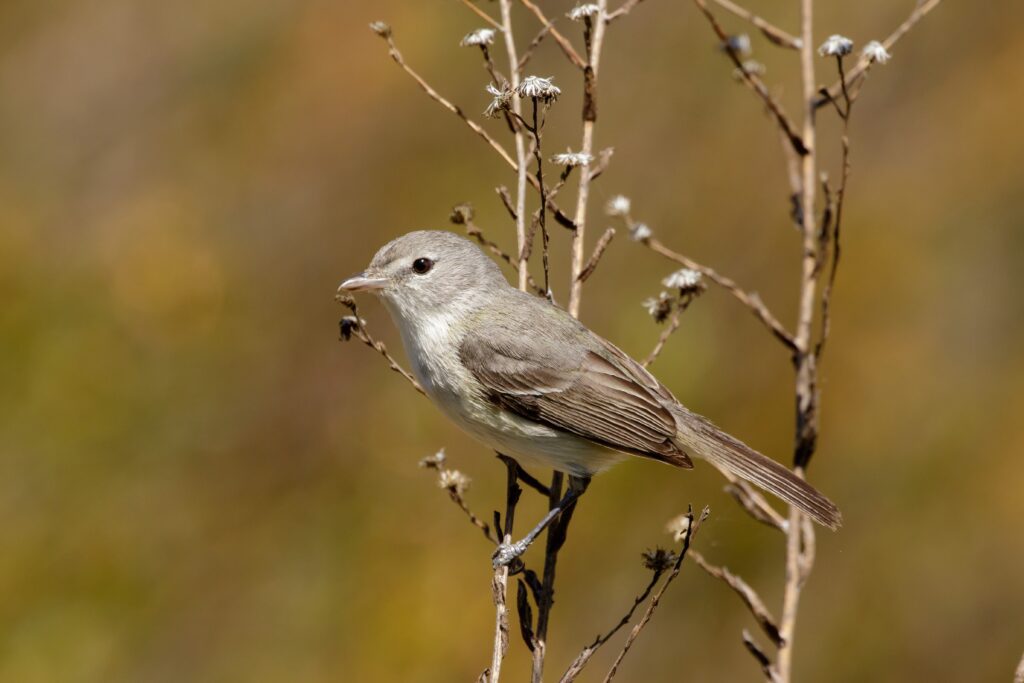
River Partners Director of Restoration Science Emma Havstad said vireos have also been recorded at Panorama Vista Preserve, a 150-acre project near Bakersfield, where we began active restoration in 2009, but remain rare in the rest of their historic range.
“They used to occur all through the Central Valley, and when that riparian habitat was lost, they constricted their range for breeding habitat mainly to San Diego County,” she said. “In the last several decades, they’ve crept their way up to where now they’re reliably nesting in northern Los Angeles County.”
The San Diego County sightings demonstrate that well-planned habitat will attract the birds.
“The fact that they are starting to explore further north gives us hope that if we create enough connected habitat and the Southern California nests keep resulting in a bigger population, they could recolonize their historic range in the Central Valley,” Havstad added.
The vireo is a focal species we deliberately hope to attract, so its use of these sites isn’t unusual, but it is affirming.
“It’s a sign that environmental protections work, since we started making sure to protect and restore their habitat,” Havstad said.
Bird Species Add to Wildlife’s Wider Return
It’s not just birds that are returning to their historic range.
Two endangered riparian woodrats were found in 2024 at a River Partners restoration within the San Joaquin River National Wildlife Refuge, the first sighting there since 2017 and the first ever in a restored forest. Nearby, the highly endangered riparian brush rabbit is thriving in restored habitat. And we’re planting 15 million milkweed across California by 2030 to help the Western monarch, whose populations have cratered by 99% since the 1980s. Monarch caterpillars are already feeding on what we’ve planted.
It would be a stretch to call these sightings a complete comeback for any of these species. But conservationists agree they’re proof that restored habitat works: The birds could have nested elsewhere, and they chose habitats River Partners revitalized.
These sightings also show how River Partners’ work advances California’s nation-leading conservation goals. The Swainson’s hawk and least Bell’s vireo are state-listed under the California Endangered Species Act, making them species of greatest conservation need—and restored river habitat moves the state toward its 30×30 goal of conserving, and in many cases restoring, 30% of its lands and coastal waters by 2030. U.S. Geological Survey models also rank parts of the San Joaquin Valley among the state’s most suitable places for least Bell’s vireo, the same region where River Partners hopes the birds will return.
Increased community engagement is an added benefit.
“It’s turned into a birding hotspot,” Felbeck said. “Where before it was a fallow orchard, now the local birding community is getting out to Rancho Breisgau largely because of the restoration.”
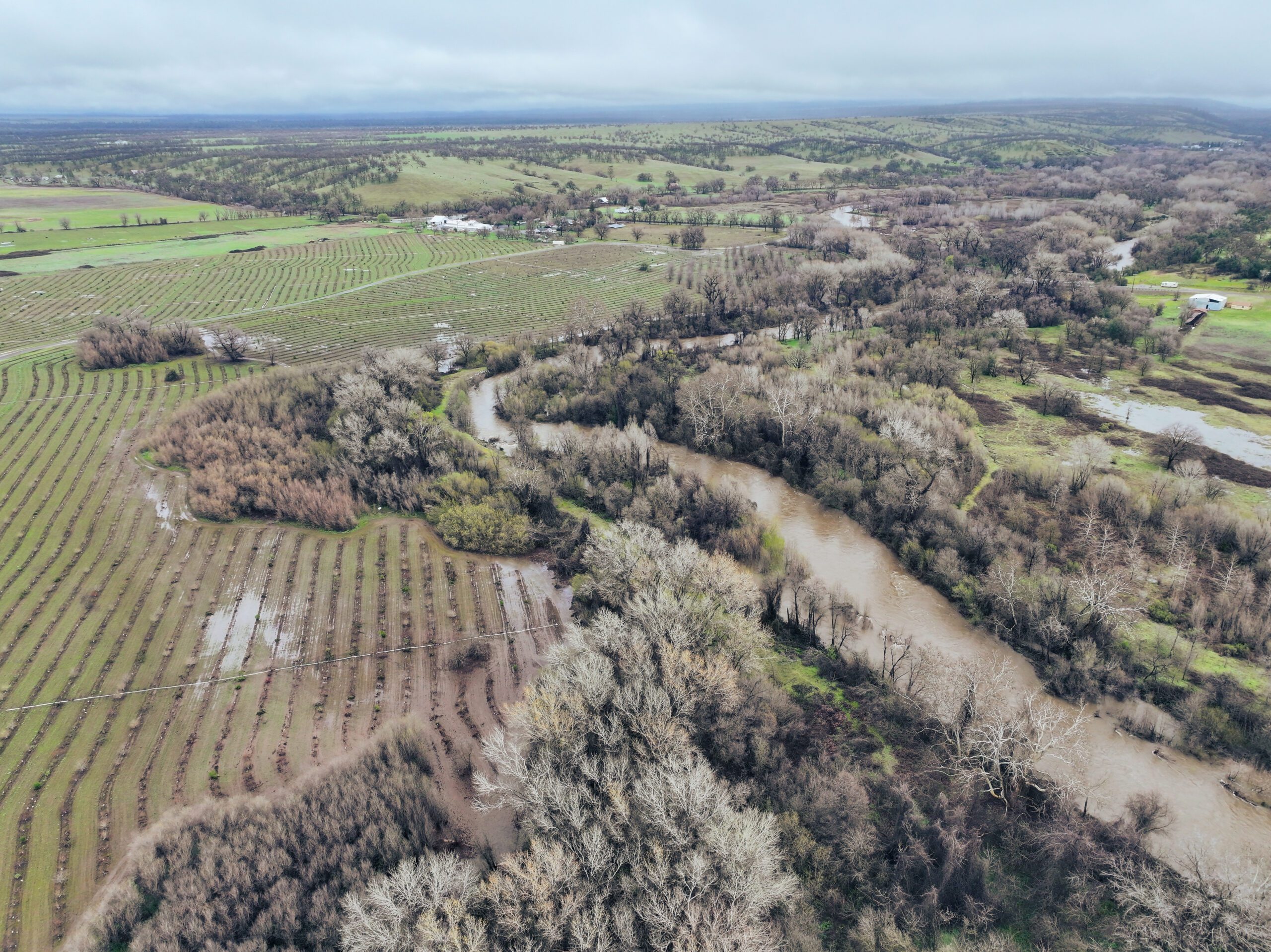
With state funding through Proposition 4 continuing to come online, including $1.2 billion for biodiversity and $870 million for wildlife conservation, habitat connectivity and ecosystem restoration, River Partners could launch thousands of acres of shovel-ready restoration projects in the San Joaquin Valley alone. This would expand restored habitat by hundreds of miles and give migrating birds more habitat along the 10,000-mile Pacific Flyway.
Every one of our projects began with a plan to bring historic habitats back to life—and this summer birds and other wildlife showed up to tell us it’s working. River Partners and others will be watching to see how their homecoming plays out.
“We’ll definitely be back out there next spring to see if they’re back and if they successfully had some young and the young are back,” Rogner said.
Lead photo by Tobias Felbeck/Bureau of Land Management