
 April 21, 2026
Though River Partners works throughout California, a recent focus of our restoration efforts has been in the San Joaquin Valley and Tulare Basin. Known for prodigious agricultural output over the last century, this region today is peppered with aging-out agricultural operations, old infrastructure, and an increased need for flood safety for communities.
Through a $40 million investment from the California Wildlife Conservation Board (WCB) in 2023 for restoration planning and implementation across the San Joaquin Valley, River Partners’ teams of scientists, ecologists, and restoration experts completed the permitting and design processes for 6,000 acres of landscape-scale projects, bringing them to “shovel-ready” status—meaning we are ready to invest in their implementation today.
In total, from Stockton to Bakersfield, these projects are poised to double the acreage of restored floodplains in the San Joaquin Valley. Internally at River Partners, we call them the “SJ10 Projects,” and they are the 10 highest-priority future floodplain restoration sites in the San Joaquin Valley. River Partners Director of Restoration Science Emma Havstad put this achievement into striking context.
“It’s significant that River Partners has restored more than 20,000 acres throughout California since 1998, a remarkable achievement by itself,” she said. “And in just the last two years, we have finished the first step to increase that by another 30%. At River Partners, we are passionate about increasing the pace and scale of restoration – this is what that looks like!”
Receiving this funding, however, wasn’t easy.
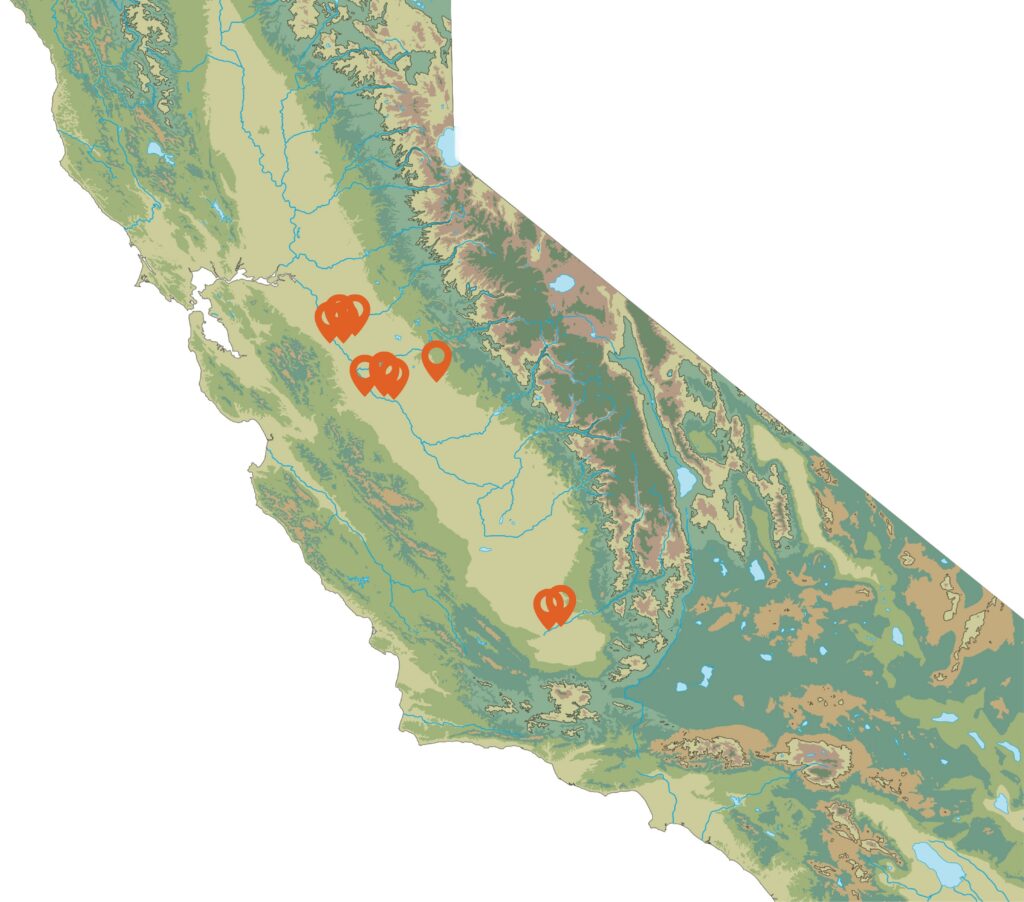
As a member of the California State Assembly, Adam Gray championed floodplain restoration after seeing the success of Dos Rios Ranch Preserve, the largest public-private floodplain restoration project in California history. Recognizing it as one of the most practical and broadly supported water solutions in the state, he led the effort to secure the WCB’s $40 million allocation to expand similar projects across priority areas of the San Joaquin Valley (see map).
Despite proposed budget cuts—even as floodwaters threatened his own home during historic rainfall in 2022—Gray (now a California Congressman) successfully defended the investment through his leadership of the state’s bipartisan and bicameral Problem Solvers Caucus.
The results of this $40 million investment are staggering, as River Partners looks to:
- Reconnect thousands of acres of active floodplain to improve flood safety, groundwater recharge, and water quality
- Advance 6,000+ acres of restoration, building continuous habitat corridors across 7,700 acres in the San Joaquin Valley
- Expand 1,800+ acres within the Grasslands Ecological Area, the largest remaining wetland complex in the western U.S.
- Plant hundreds of thousands of native trees and shrubs, driving large-scale carbon storage and climate resilience
- Restore habitat for dozens of imperiled species at landscape scale
Over the last three years, WCB funding also helped advance exciting innovative science initiatives throughout the San Joaquin Valley:
- Before-After Control-Impact (BACI) data collection to help assess, measure, and evaluate the success of project objectives and the impact of activities (like conservation efforts and outside forces (like floods and drought) on restoration sites
- Environmental DNA (eDNA) analysis to track the presence of wildlife, plant, fungal, and microbial species in and around our restoration sites
- Subsurface mapping tools like towed time-domain electromagnetic (tTEM) research to understand how water moves from the surface to below the ground to refill depleted aquifers and increase water supplies critical to California’s environment, communities, and economy
- Installation of two Motus stations to track bird, butterfly, and bat migration through critical migratory corridors in the San Joaquin Valley
- Deployed bat monitoring equipment to capture their echolocations to better understand how they use our restoration sites
- Expanded native seed research and development at Heritage Growers to provide source-identified seed for restoration, including planting 15 million milkweed plants throughout California by 2030
- Laid groundwork for collaborative restoration practices with Tribes in the San Joaquin Valley and Tulare Basin with the Tribal Engagement and Land Guardianship Vision Project
Our riparian restoration projects are at the heart of our work, serving as conduits for everything else. After three years of site assessments, permitting, and restoration planning, we’re pleased to say that over 6,000 acres worth of floodplain reconnection, habitat restoration, landscape rejuvenation, and community renewal are shovel-ready for the next phase: implementation.
River Partners has built a pipeline of large-scale, shovel-ready floodplain restoration projects to deliver immediate benefits for flood safety, water supply, and wildlife—if investment continues.
Bear Creek Ranch
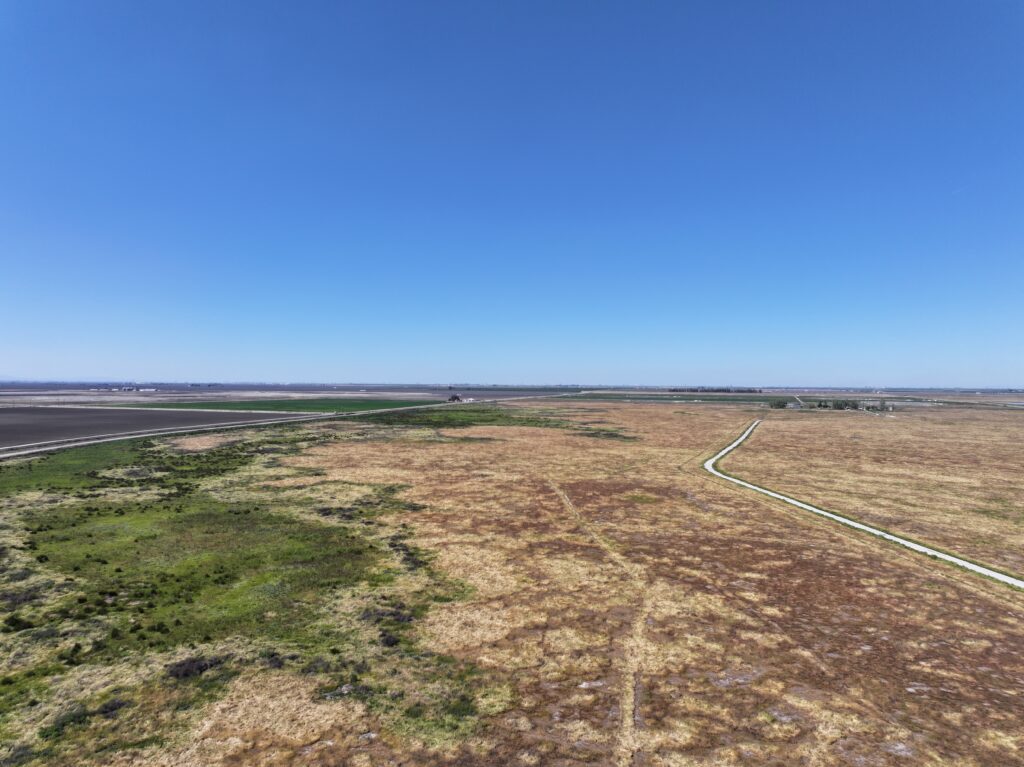
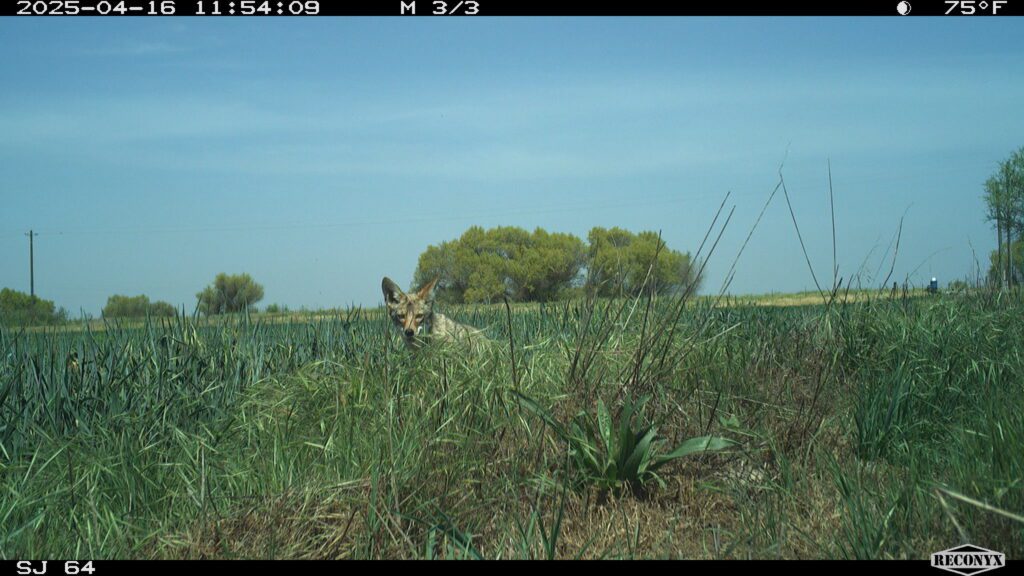
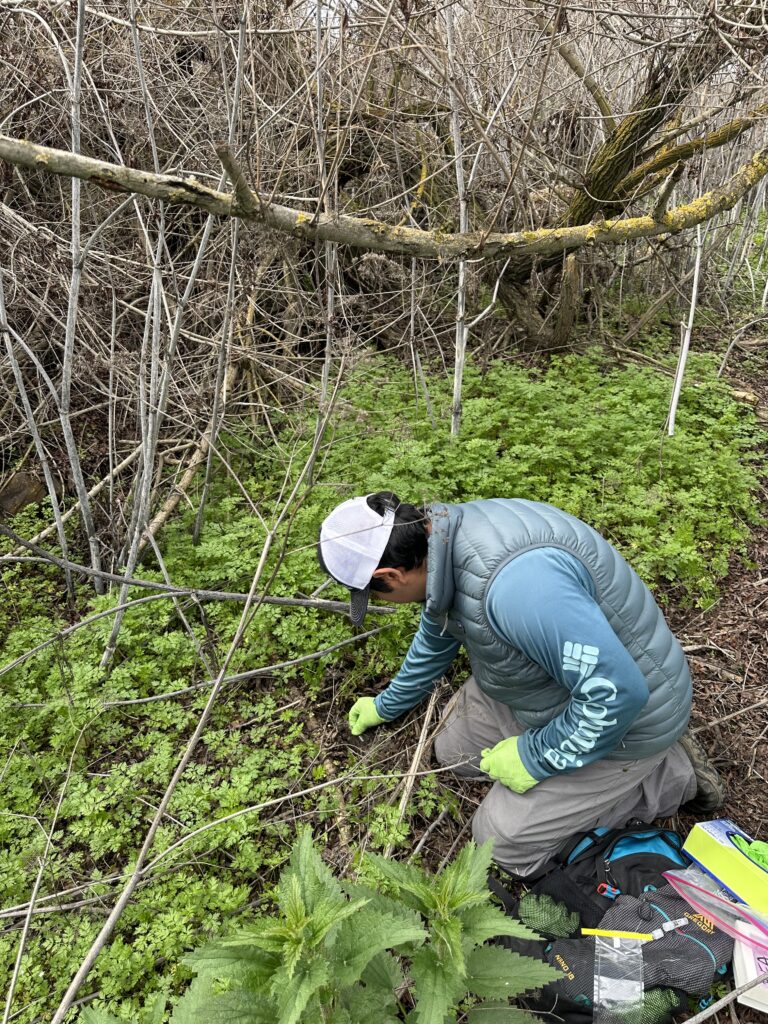
A 2,100-acre site west of Merced poised to reconnect floodplain habitat at the edge of the Grasslands Ecological Area.
- Restores approximately 1,100 acres of floodplain, wetlands, and upland habitat
- Reintroduces seasonal flooding to support groundwater recharge and flood management
- Expands habitat connectivity near the San Luis and Merced National Wildlife Refuges
- Bear Creek Ranch was used for BACI, eDNA, and tTEM research
Camp Taylor
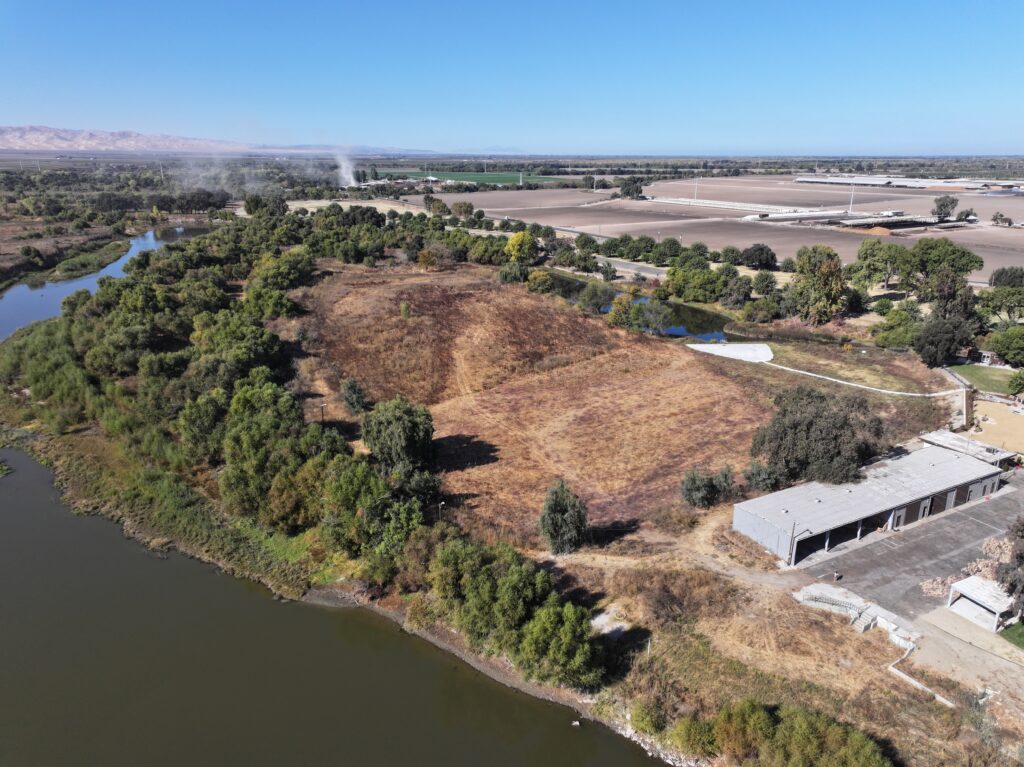
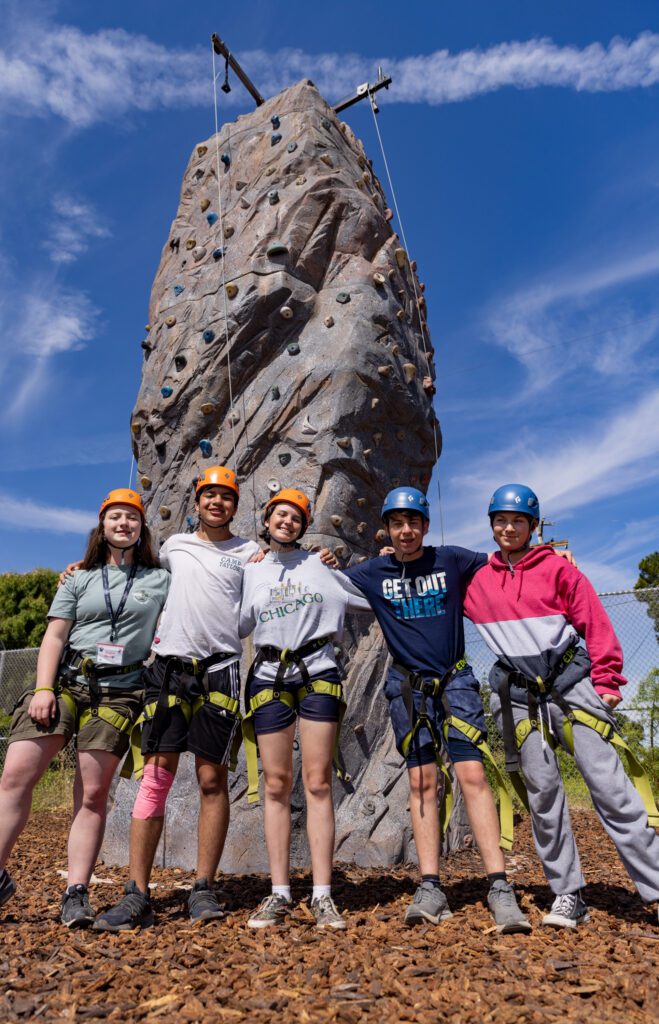

A three-acre restoration project along the San Joaquin River near Modesto, transforming an open field into a native riparian demonstration area.
- Converts invasive-dominated land into a diverse habitat for migratory songbirds and the endangered Western monarch butterfly, enhancing biodiversity within a critical river corridor
- Serves as a vital educational hub for school groups and pediatric heart patients, building regional ecological literacy and long-term stewardship of California’s waterways
- Incorporates interpretive signage and tribal honors to reconnect the local community with the cultural and ecological history of the San Joaquin River watershed
- Camp Taylor was used for eDNA research
G Ranch
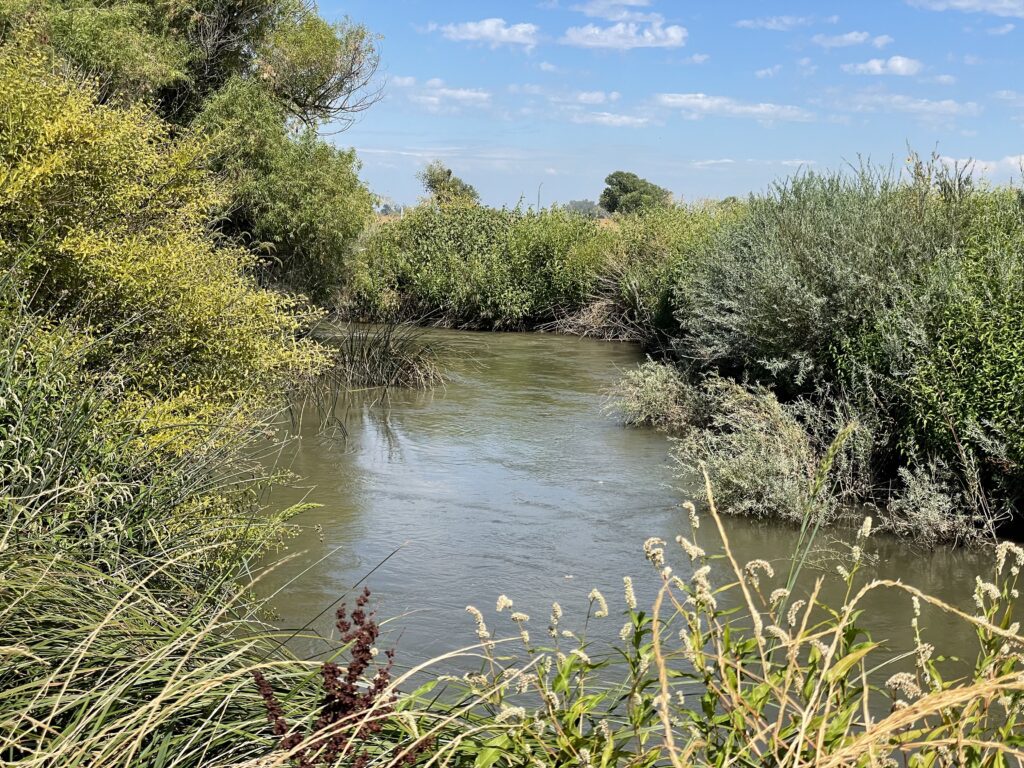

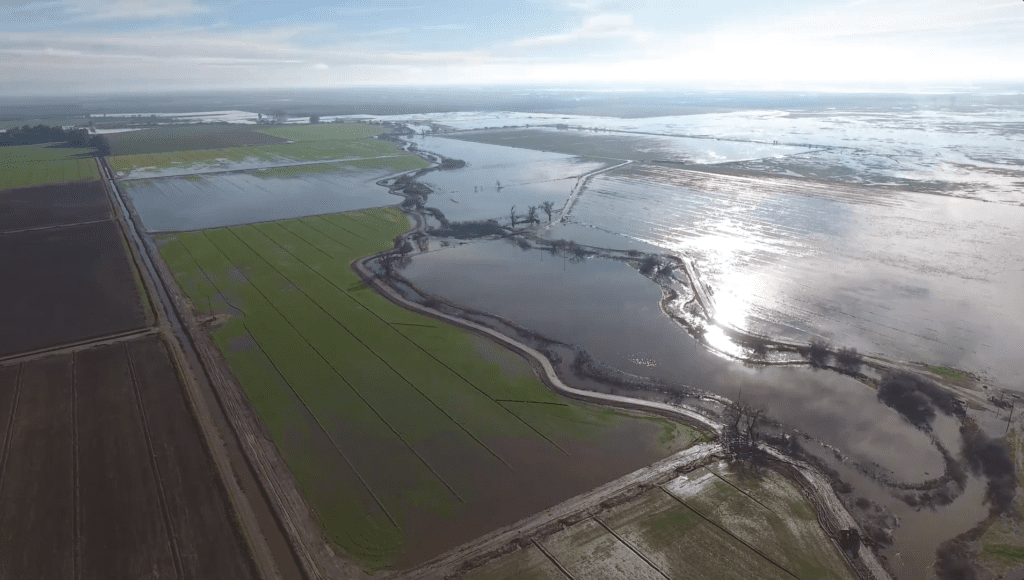
A 325-acre restoration project at the G Ranch in Merced County’s Grasslands Ecological Area, transforming seasonal cropland into a diverse mosaic of native habitats.
- Reconnects the historic floodplain to recharge underground aquifers and repurposes surface water rights, supporting regional agricultural sustainability by significantly reducing water demand
- Restores critical riparian, grassland, and wetland missing pieces along the Pacific Flyway, providing a sanctuary for migratory waterfowl and imperiled species like the tricolored blackbird
- Establishes a contiguous habitat corridor to support the regional recovery of rare wildlife, including the San Joaquin kit fox and California tiger salamander, within a historically degraded landscape
- G Ranch was used for eDNA research
Island Dairy
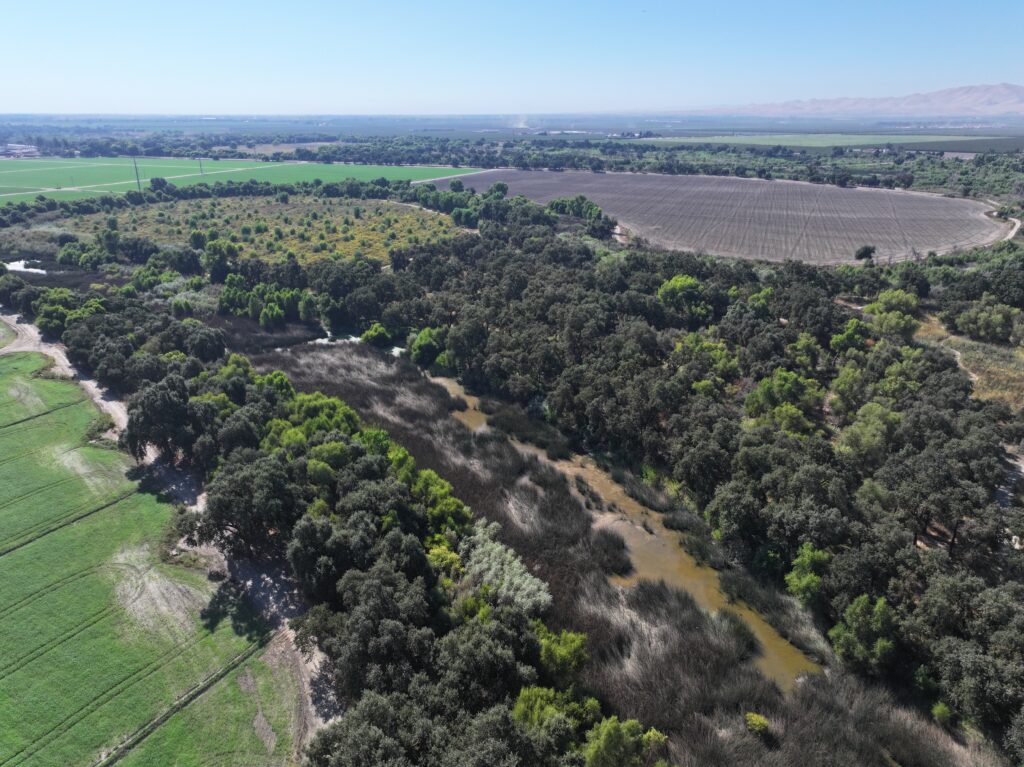
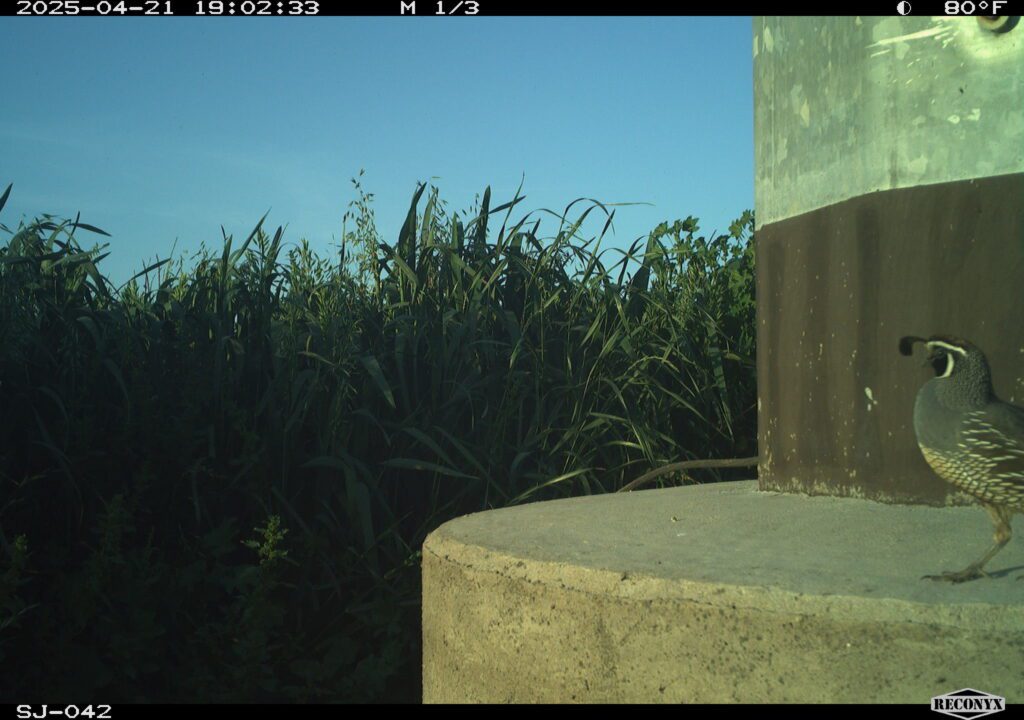
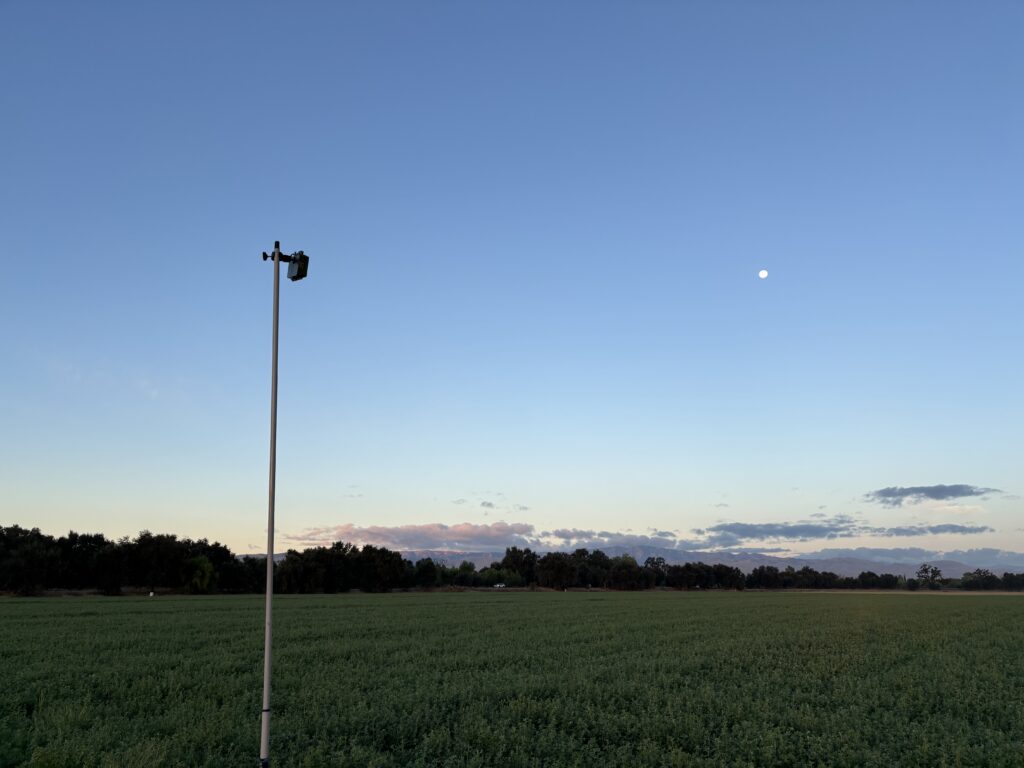
A 482-acre former dairy property located at the confluence of the San Joaquin and Tuolumne Rivers, approximately 10 miles southwest of Modesto.
- Reconnects an ancient river slough and replaces dairy operations with native vegetation to link over 10,000 acres of protected riparian habitat along the mid-San Joaquin River
- Restores natural flood processes and off-channel fish habitat, providing critical regional benefits like groundwater recharge, natural water filtration, and carbon sequestration
- Establishes a diverse mosaic of canopy trees and dense understory thickets to support the recovery of regional species of concern, including the critically imperiled riparian brush rabbit and threatened Western monarch butterfly
- Island Dairy was used for BACI, eDNA, and bat monitoring research
Lower Kern River
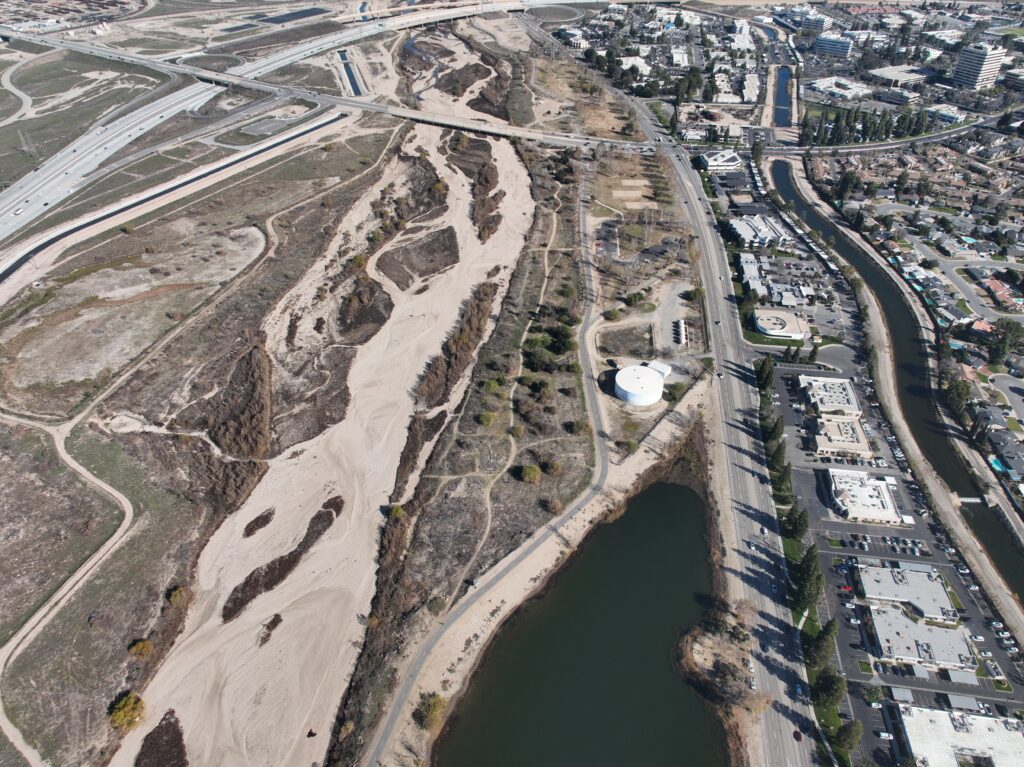
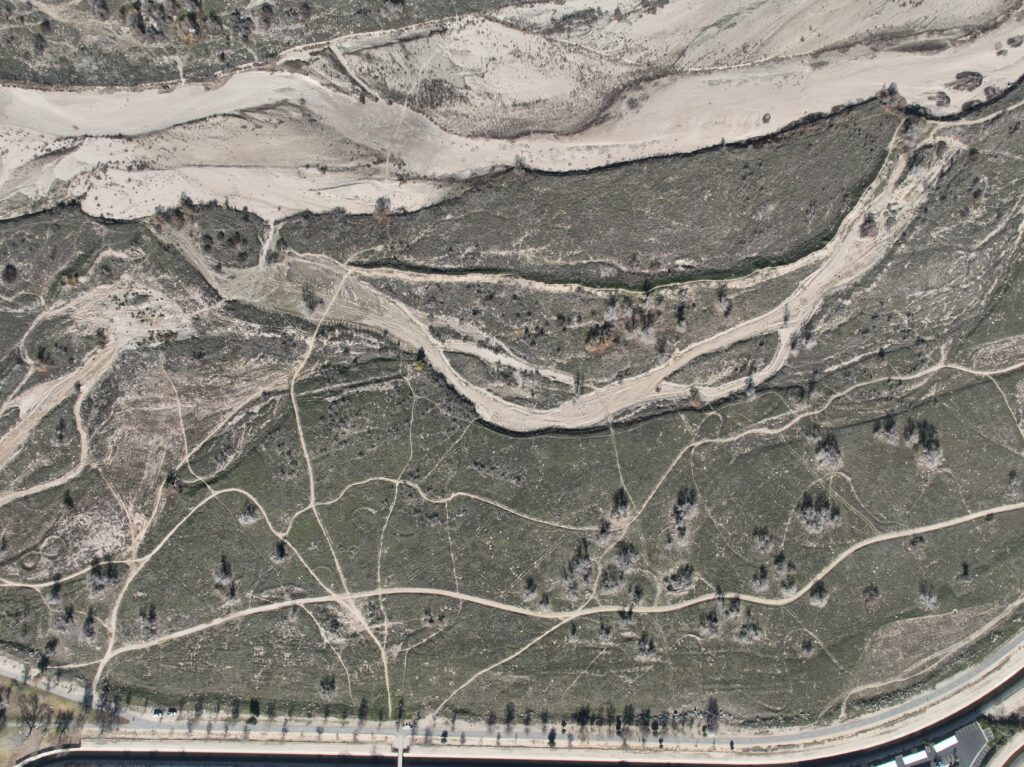
A 675-acre urban riparian restoration project spanning eight miles of the Kern River Parkway in the heart of Bakersfield.
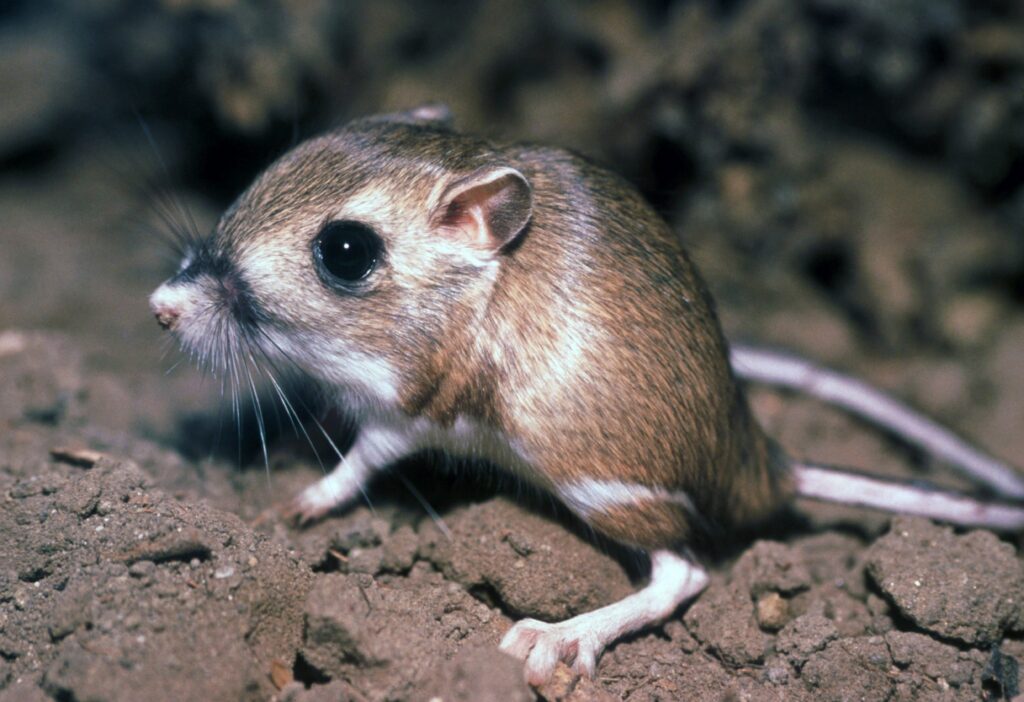
- Reestablishes native riparian forests by planting 100,000 climate-adapted trees and shrubs, providing a critical refuge for sensitive regional species like the San Joaquin kit fox and Bakersfield legless lizard
- Expands the urban tree canopy to mitigate extreme Central Valley heat, creating a cooling green refuge that enhances climate resilience and public health for the Bakersfield community
- Seamlessly integrates ecological function with the existing Parkway system, ensuring that one of the region’s most valued recreational assets remains a biodiverse and accessible sanctuary for generations
- Lower Kern River was used for eDNA research
Ott Farms
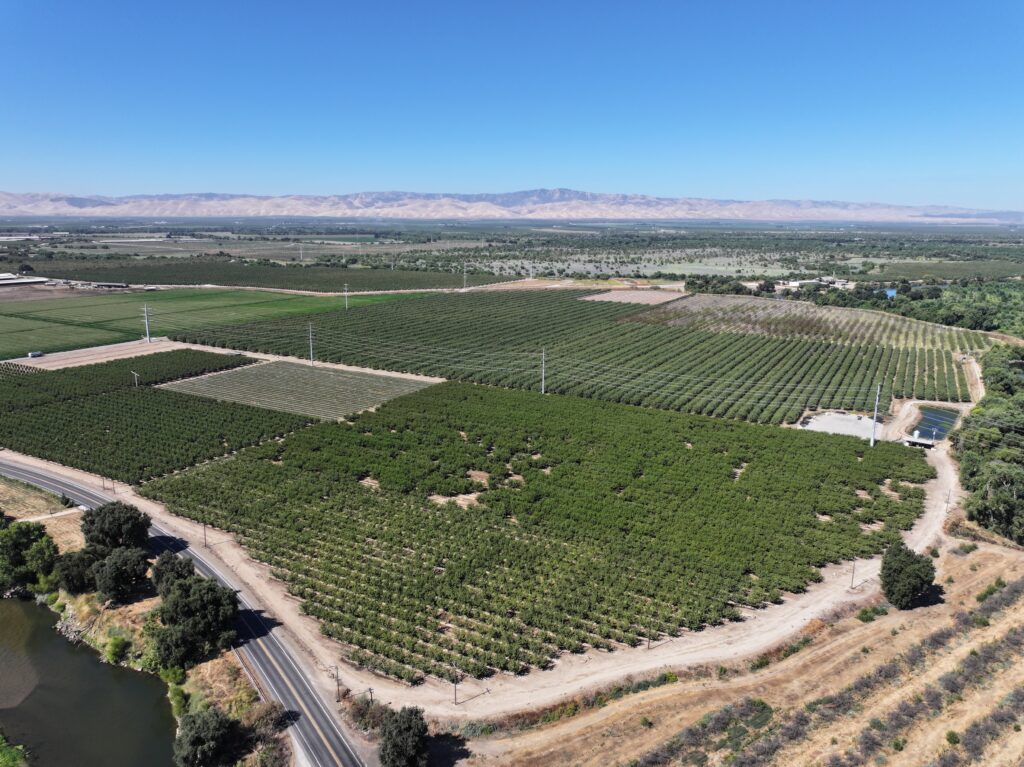
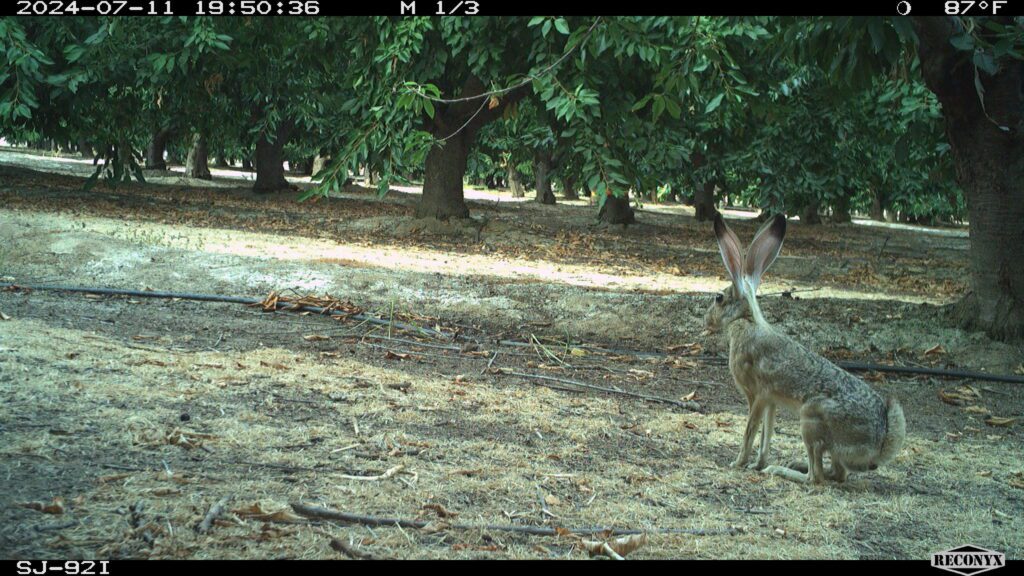
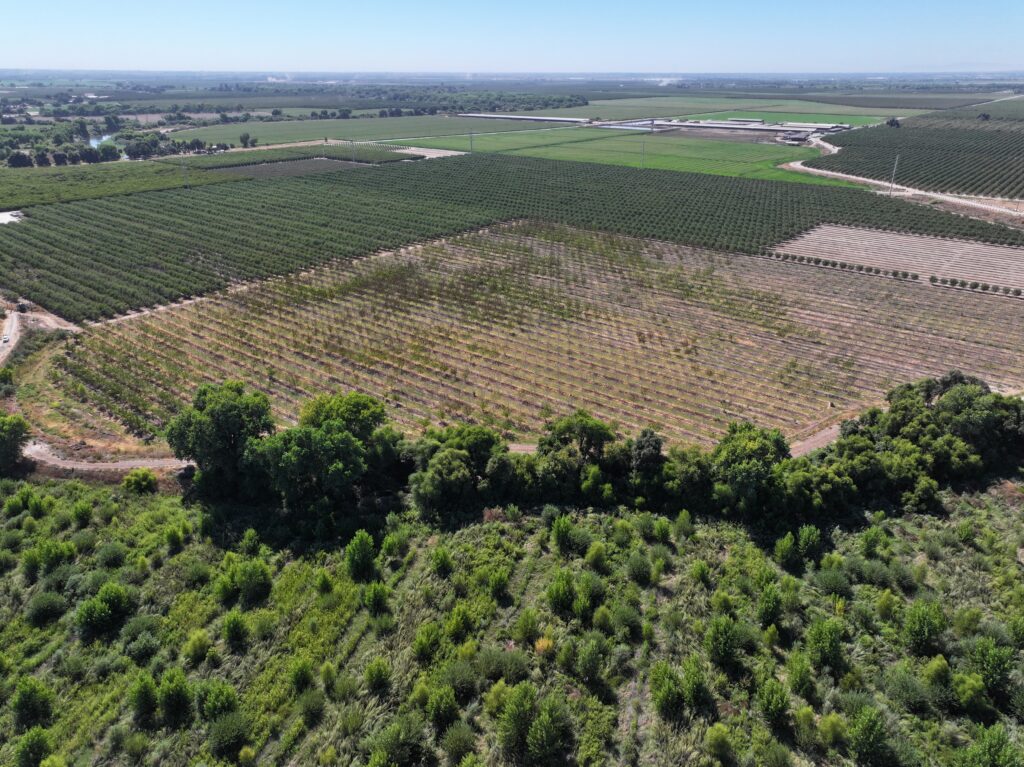
A 168-acre property located eight miles southwest of Modesto, strategically positioned at the ecologically vital confluence of the Tuolumne and San Joaquin Rivers.
- Transitions agricultural land into native riparian forest to create a 7,700-acre continuous habitat corridor, with the ultimate goal of expanding the footprint of Dos Rios State Park
- Reconnects the floodplain with the Tuolumne River to boost groundwater recharge and improve water quality, offering a more climate-resilient and water-efficient land use than traditional farming
- Builds a self-sustaining refuge for high-priority regional species like the least Bell’s vireo and the critically imperiled riparian brush rabbit, ensuring this critical river junction remains a functional hub for wildlife recovery
- Ott Farms was used for eDNA and tTEM research
San Joaquin River National Wildlife Refuge
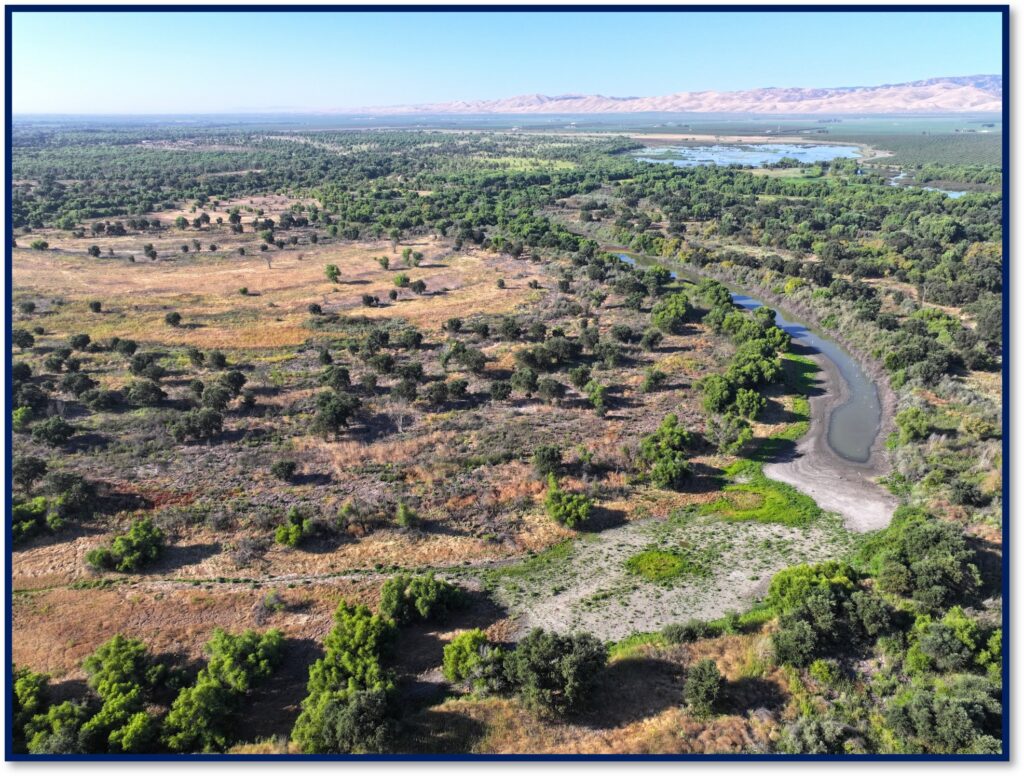
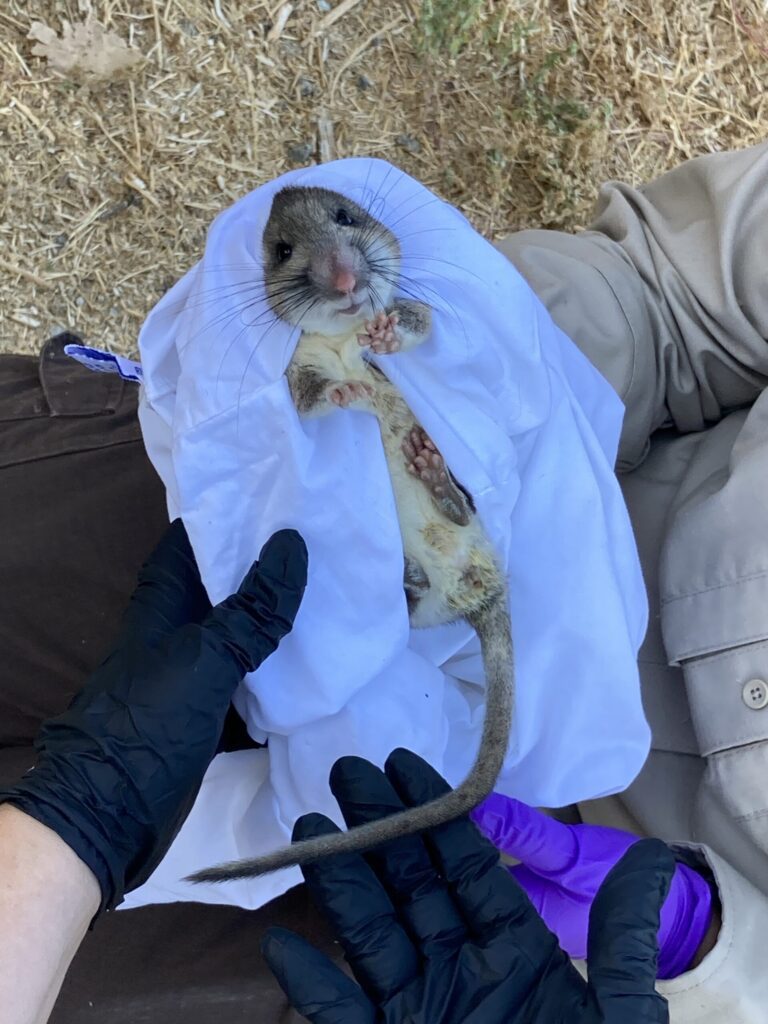

A 4,000-acre project within the 7,500-acre San Joaquin River National Wildlife Refuge, located 10 miles west of Modesto, centered on a five-mile historic slough.
- Reconnects a nearly five-mile-long side channel to the main river, restoring natural hydrology and providing critical off-channel rearing habitat for juvenile salmon and Central Valley steelhead
- Establishes native riparian plantings and specialized “bunny mounds” to provide high-ground refuge for the critically imperiled riparian brush rabbit during seasonal flood events
- Removes legacy water infrastructure to create a self-sustaining ecosystem that strengthens habitat connectivity for sensitive species like the yellow-billed cuckoo and least Bell’s vireo
- San Joaquin River National Wildlife Refuge was used for eDNA and BACI research
San Luis National Wildlife Refuge Complex
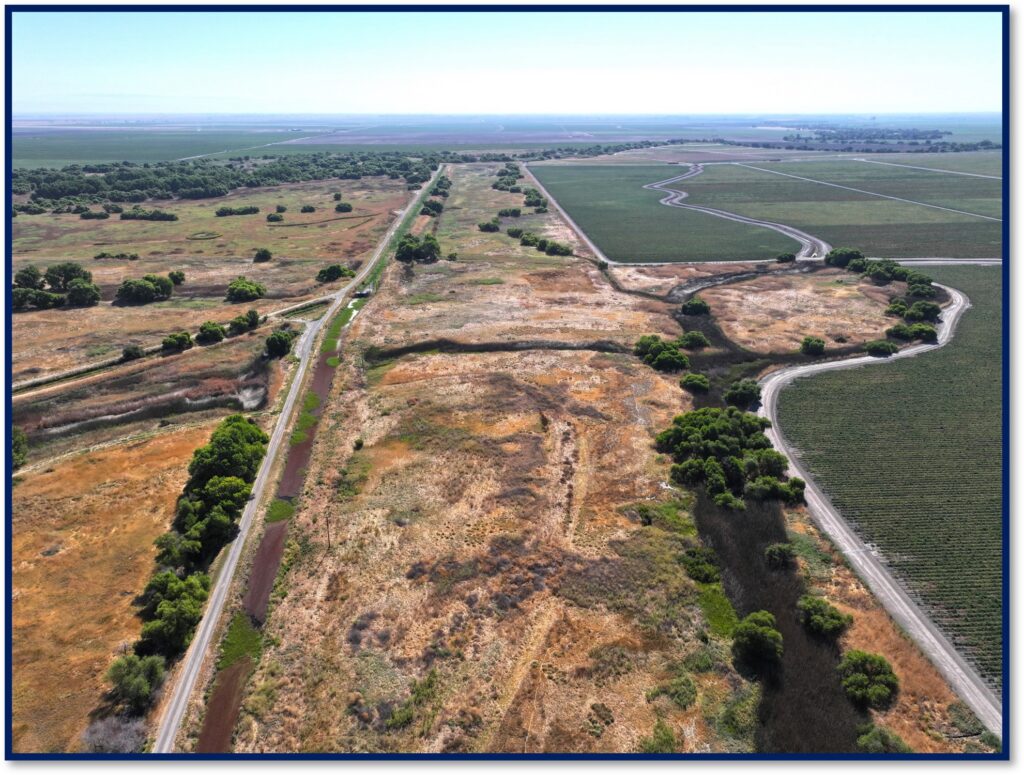
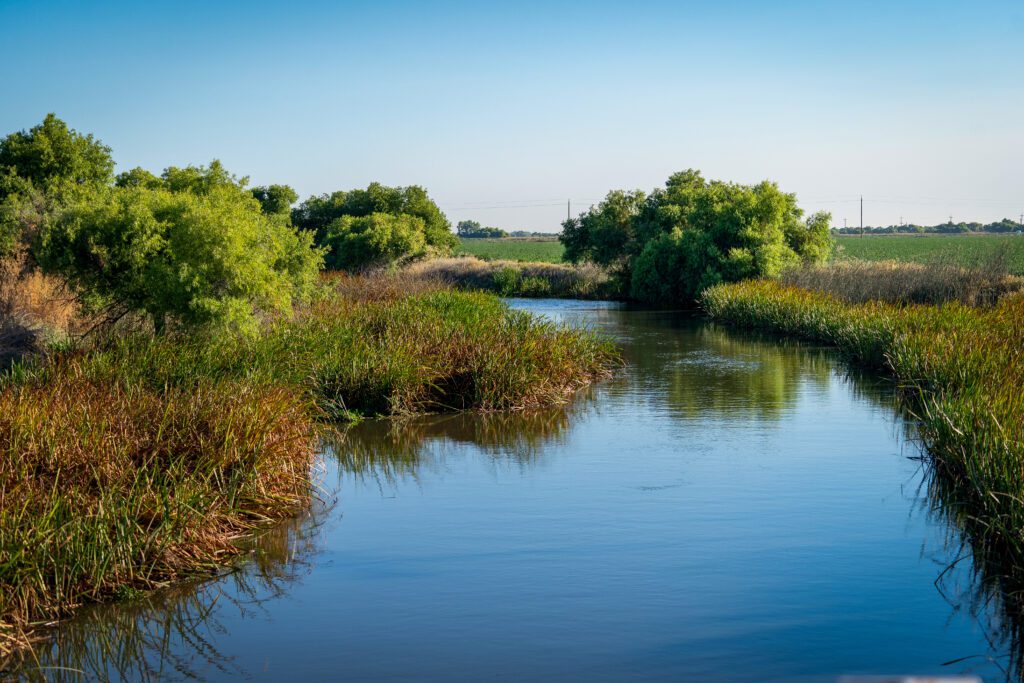
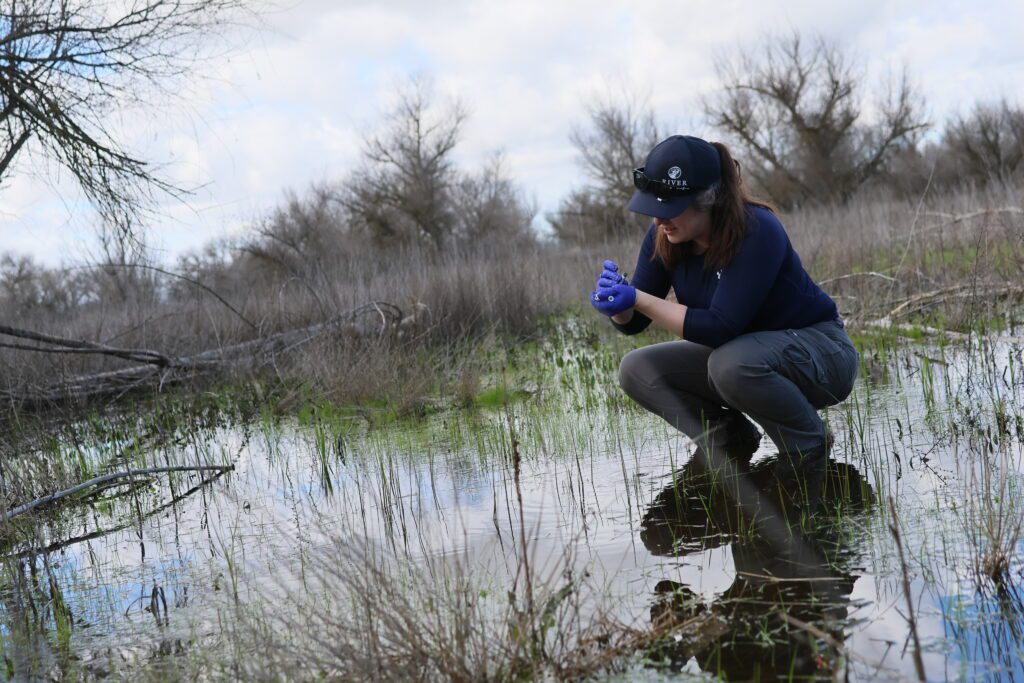
A 274-acre restoration project within the 26,800-acre San Luis National Wildlife Refuge Complex in Merced County.
- Establishes high-quality native riparian forests through intensive planting and irrigation to secure long-term habitat sustainability for a diverse suite of Central Valley wildlife
- Targets the recovery of severely threatened species, such as the kangaroo rat, by creating protected upland and riparian habitat zones within the larger refuge complex
- Strengthens the ecological integrity of the San Luis National Wildlife Refuge by converting degraded land into a productive breeding and nesting ground for migratory songbirds and waterfowl
- San Luis National Wildlife Refuge was used for BACI and eDNA research
Sweetwater
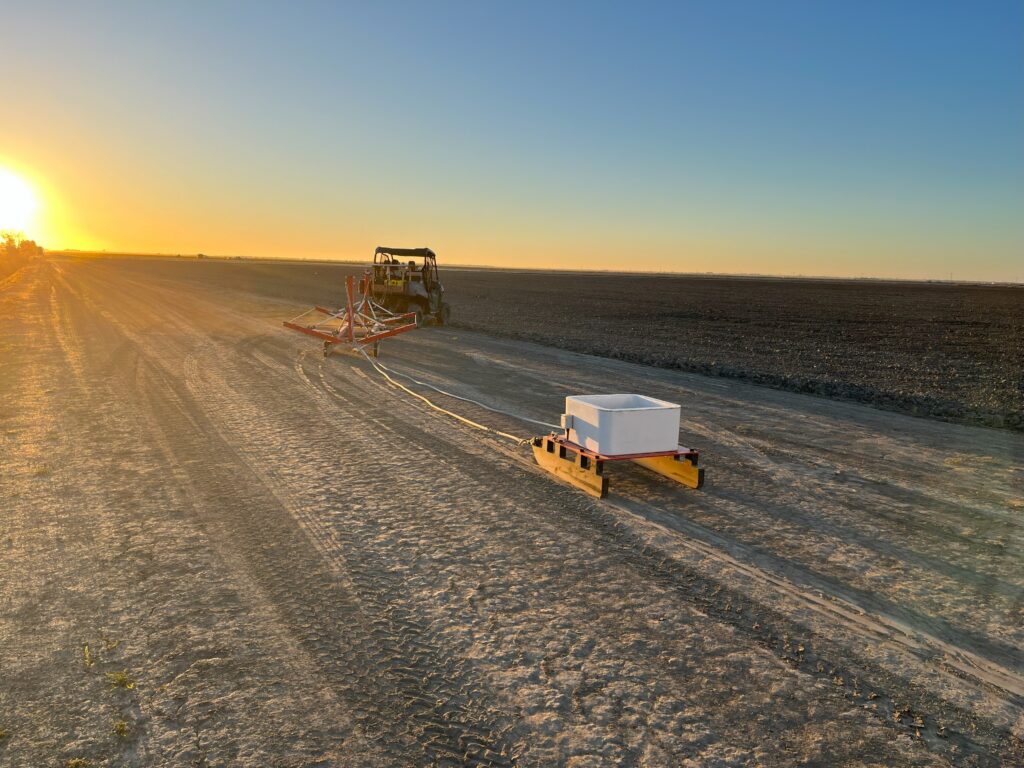
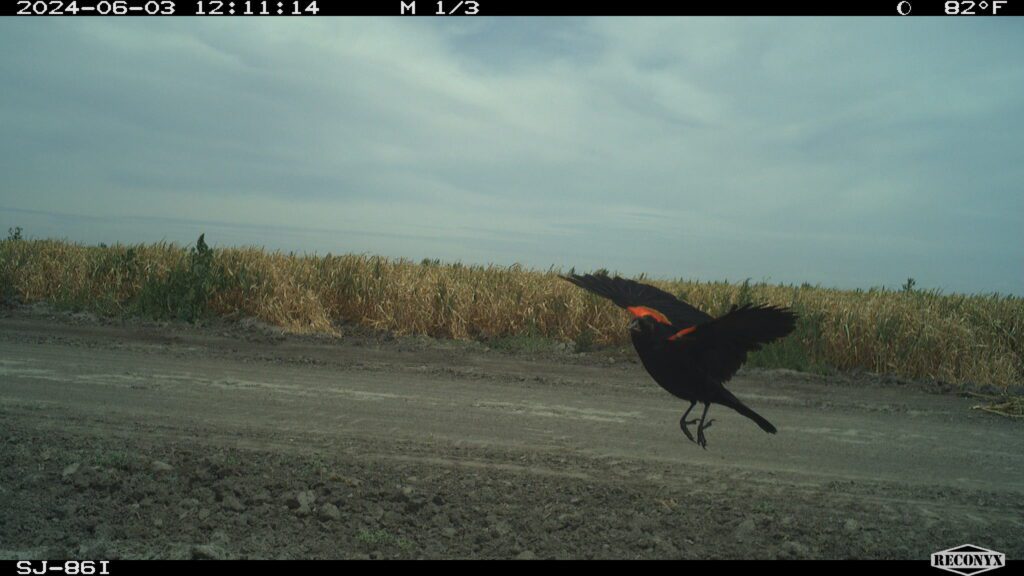
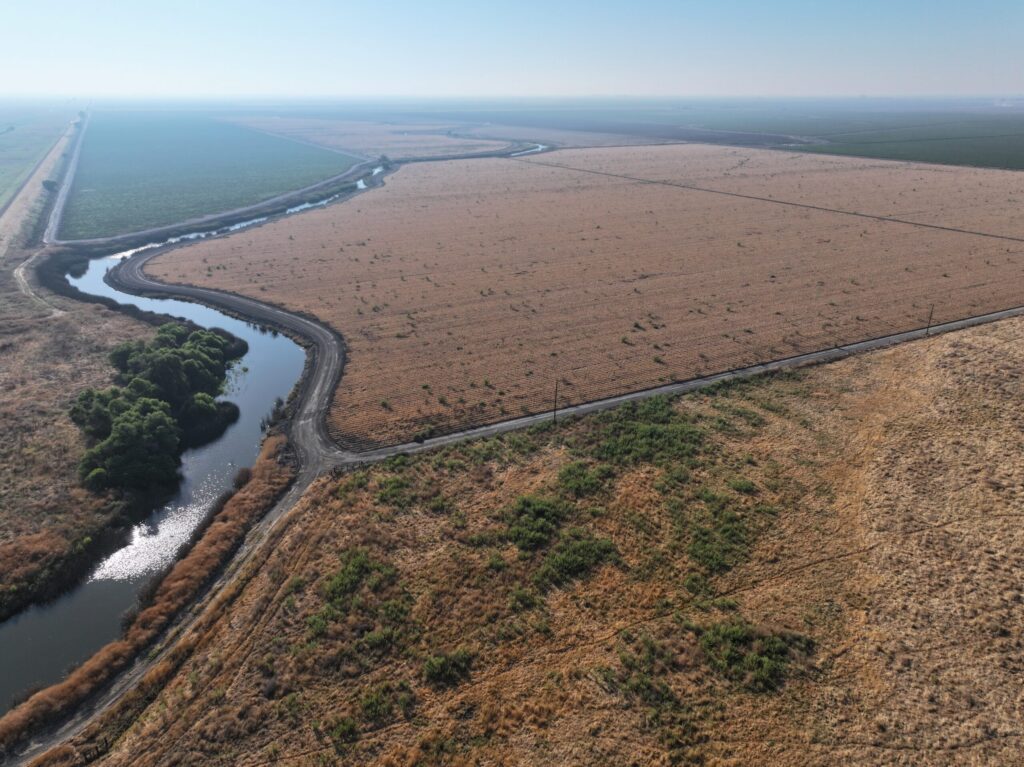
A 560-acre restoration project in Merced County that transforms intensive agriculture operations into a sanctuary linking two units of the 26,800-acre San Luis National Wildlife Refuge Complex.
- Expands the Grasslands Ecological Area to bridge the gap between the Coast Range and Sierra Nevada foothills, creating a vital “wildlife highway” for species migrating in a changing climate
- Reestablishes native riparian forests and grasslands to provide a critical lifeline for endangered regional species, including the San Joaquin kit fox and California tiger salamander
- Eliminates intensive groundwater pumping to conserve up to 1,400 acre-feet of freshwater annually, bolstering regional water security and climate resilience for neighboring communities
- Sweetwater was used for BACI, eDNA, and tTEM research
Tule Elk State Natural Reserve
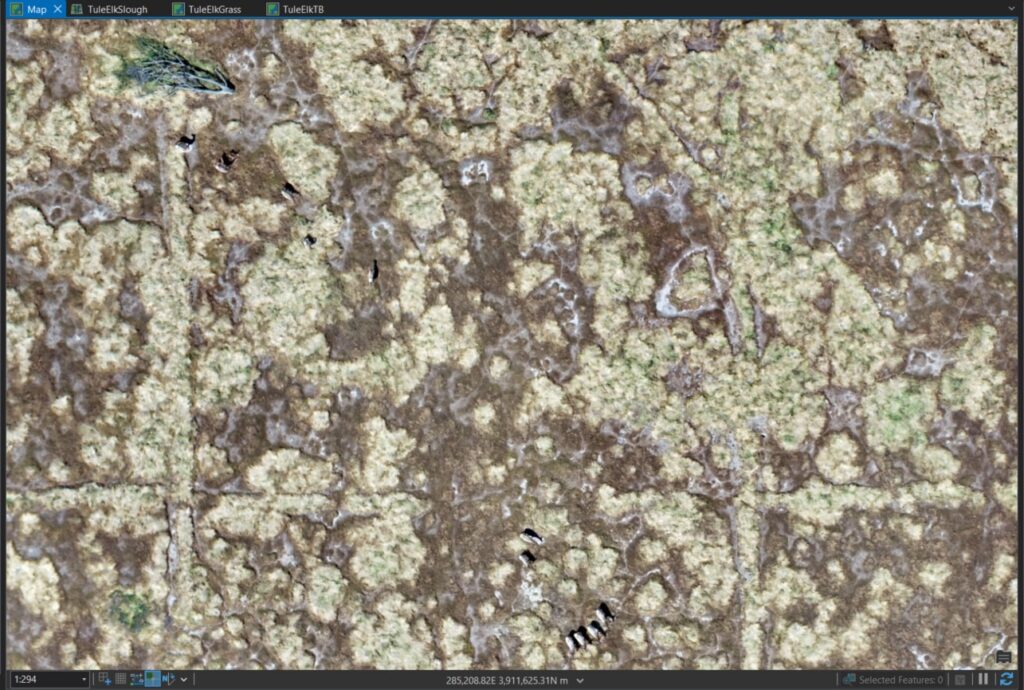
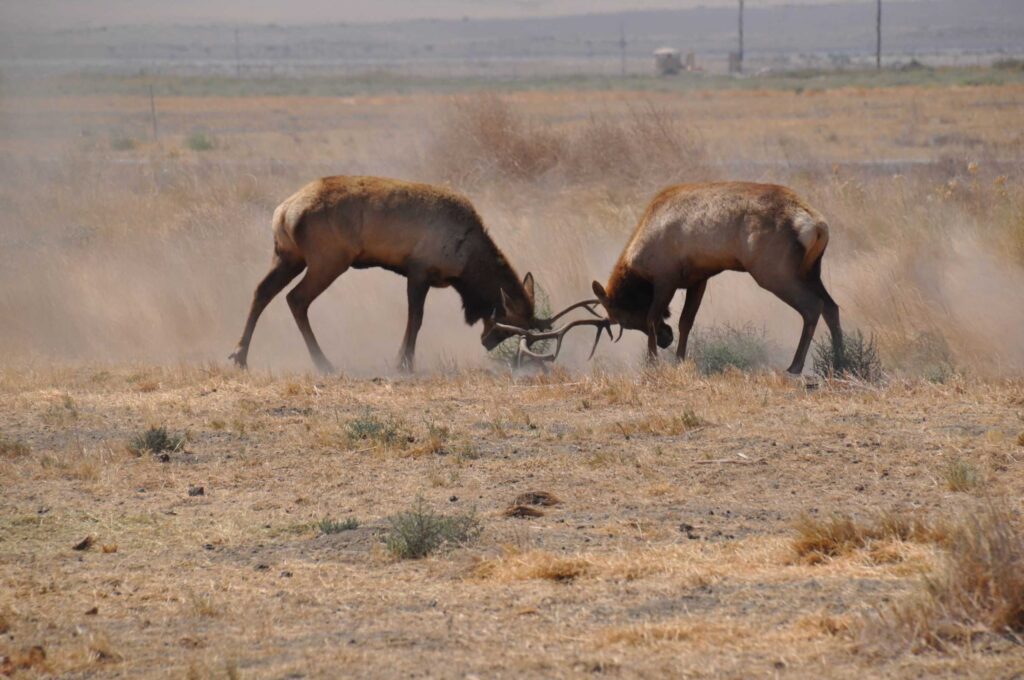

A 965-acre state reserve in the southern San Joaquin Valley dedicated to protecting the recovery of California’s iconic tule elk and regional biodiversity.
- Restores degraded grasslands and riparian corridors by planting 30,000 native trees and shrubs to rejuvenate a critical east-west wildlife movement corridor between the Sierra Nevada and the Coast Range
- Reestablishes essential habitat for the endangered giant kangaroo rat and over 100 bird species, strengthening the regional ecosystem against the historical loss of the Buena Vista Slough
- Enhances long-term landscape resilience by replacing invasive species with climate-adapted native flora, ensuring a self-sustaining sanctuary for both common and vulnerable San Joaquin Valley wildlife
- Tule Elk State Natural Reserve was used for BACI and eDNA research
River Partners President Julie Rentner said, as we announced in July 2023, we’d receive $40 million in critical river-restoration funding, “We’re being called to do something really big here.”
“If small organizations like River Partners, with our mighty partnerships and community of restoration practitioners, can deploy this $40 million immediately for over 2,500 acres of floodplain reconnection in the next few years,” Rentner said, “imagine what we could do if we could align the bulk of the weight of California’s enormous economy toward this problem.”
River Partners has done the assessments and has crafted the restoration plans. We have federal and state support. And, importantly, we have hope.