
 December 5, 2025
Across the state, the return of native wildlife is one of the clearest signs that large-scale river restoration is working. Since 1998, River Partners and our network of public, private, Tribal, scientific, and community collaborators have helped flora and fauna come back from the brink—from endangered desert cacti to the iconic native California salmon.
Ultimately, when wildlife thrives, so does everything else. Salmon in our rivers indicates healthy waters. When we restore habitat for monarchs, entire pollinator networks that stregnthen our agricultural systems thrive. Each comeback story has a wave of beneficial effects for other wildlife, communities, farms, and local economies.
Below is a look at this year’s biggest comeback stories.
Read more in our 2025 Impact Report: Hope in Action.
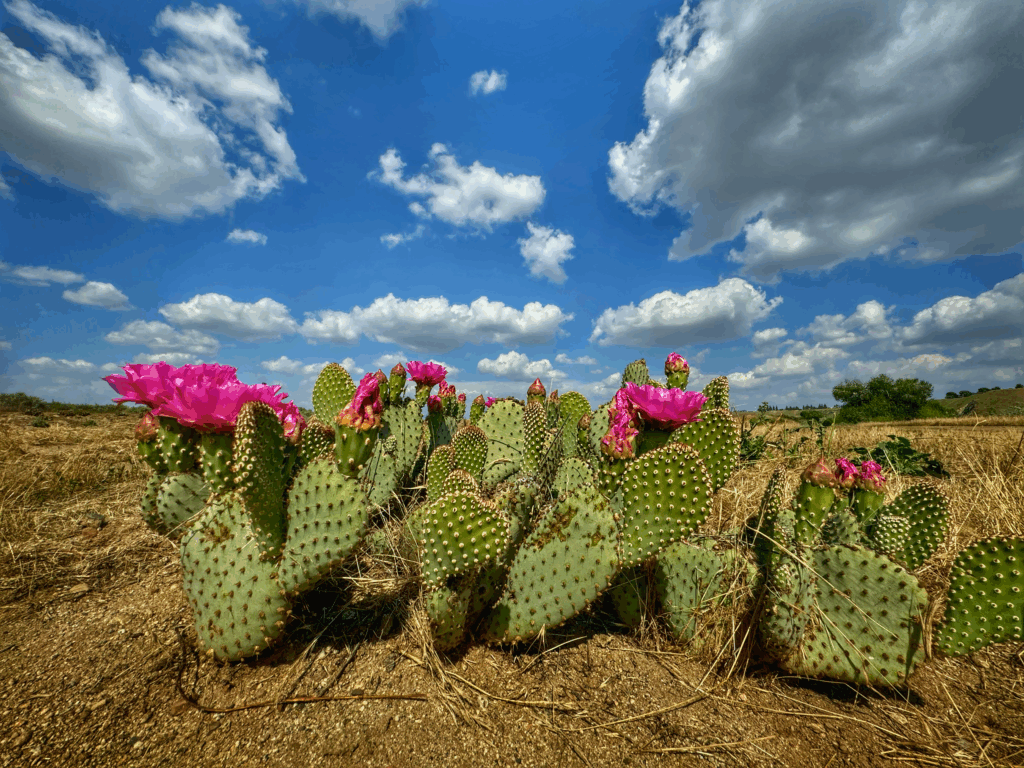
Bakersfield Cactus: Saving One of California’s Rarest Plants
The endangered Bakersfield cactus—one of California’s rarest plants—once carpeted parts of the Kern River Canyon and San Joaquin Valley in dense stands of bright magenta blooms. Today, fewer than 40 cactus stands remain within less than 3% of its historic habitat, fragmented by urban growth, agriculture, and invasive plants.
At the nearly 1,000-acre Panorama Vista Preserve along the Kern River in Bakersfield, River Partners is restoring and conserving habitat for the cactus, even propagating them in our nursery. The preserve is home to one of the largest remaining stands of this rare species, which in turn means saving the entire ecosystem, and the pollinators, birds, and mammals that depend on them.
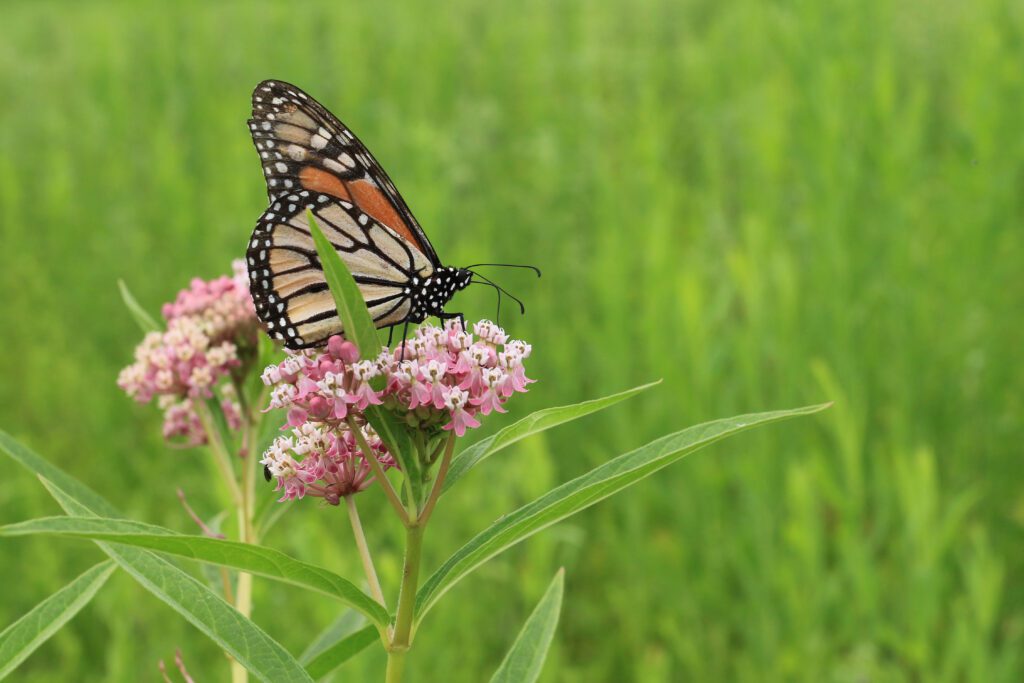
Western Monarchs: Fueling the Largest Pollinator Recovery Effort in the West
The Western monarch butterfly population plummeted to just 2,0000 butterflies in 2020, a staggering 99% decline from the millions observed in the 1980s. River Partners is helping lead a statewide response that meets the urgency of the moment—we’re on a bit of a milkweed-planting spree.
In 2022, we planted over 30,000 milkweed plants across 600 acres of priority monarch habitat statewide. Now, we’re kicking into high-gear with the ambitious goal of planting 15 million milkweed plants by 2030 in priority migration areas.
Milkweed is essential for monarch recovery—caterpillars feed exclusively on its leaves, and females lay eggs only on milkweed. From Northern California to the Salton Sea, we’re restoring pollinator habitat in partnership with the Xerces Society, California Department of Fish and Wildlife, and other experts to lead the largest coordinated monarch recovery effort in the West.
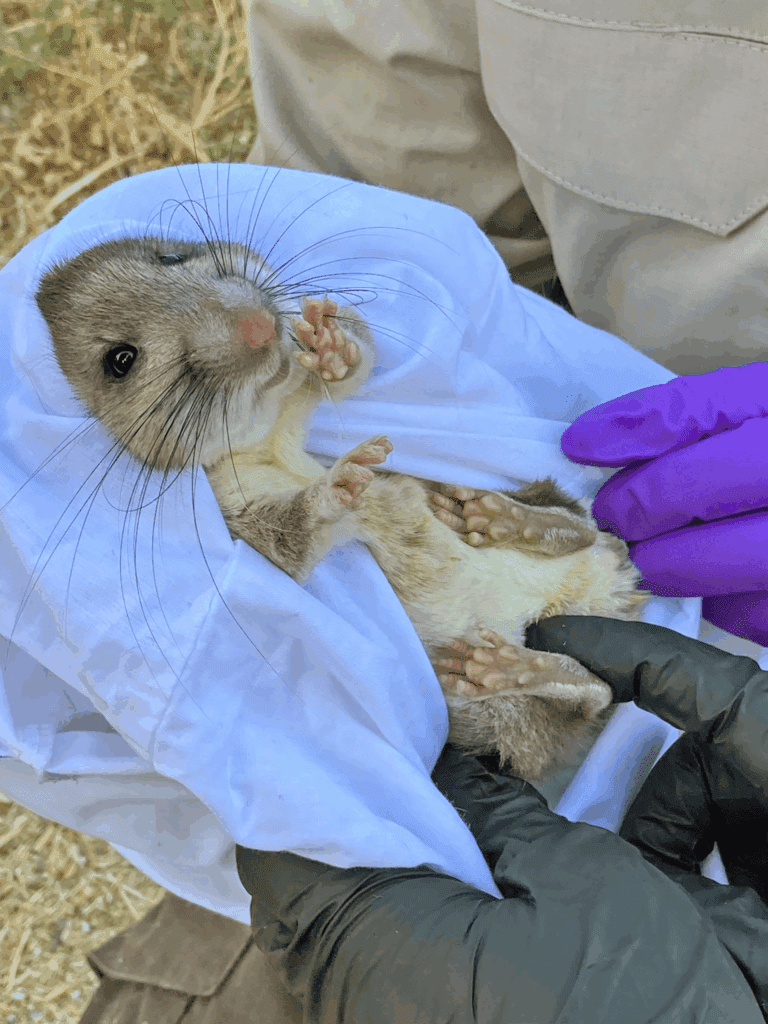
Riparian Woodrat: Back After Nearly A Decade
After eight years without a sighting, the endangered riparian woodrat is making a comeback in restored habitat.
Biologists from the U.S. Fish and Wildlife Service found this elusive rodent hanging out in a forest River Partners began restoring in 2006 at the San Joaquin River National Wildlife Refuge near Modesto—marking the first time it was spotted in a restored landscape.
There are only two known populations of riparian woodrats: one at the refuge and one at the nearby Caswell Memorial State Park. Now, wildlife cameras set up to learn more about woodrat behavior are delivering adorable results, and each image is a reminder of what’s possible when you give nature the boost it needs to thrive again.
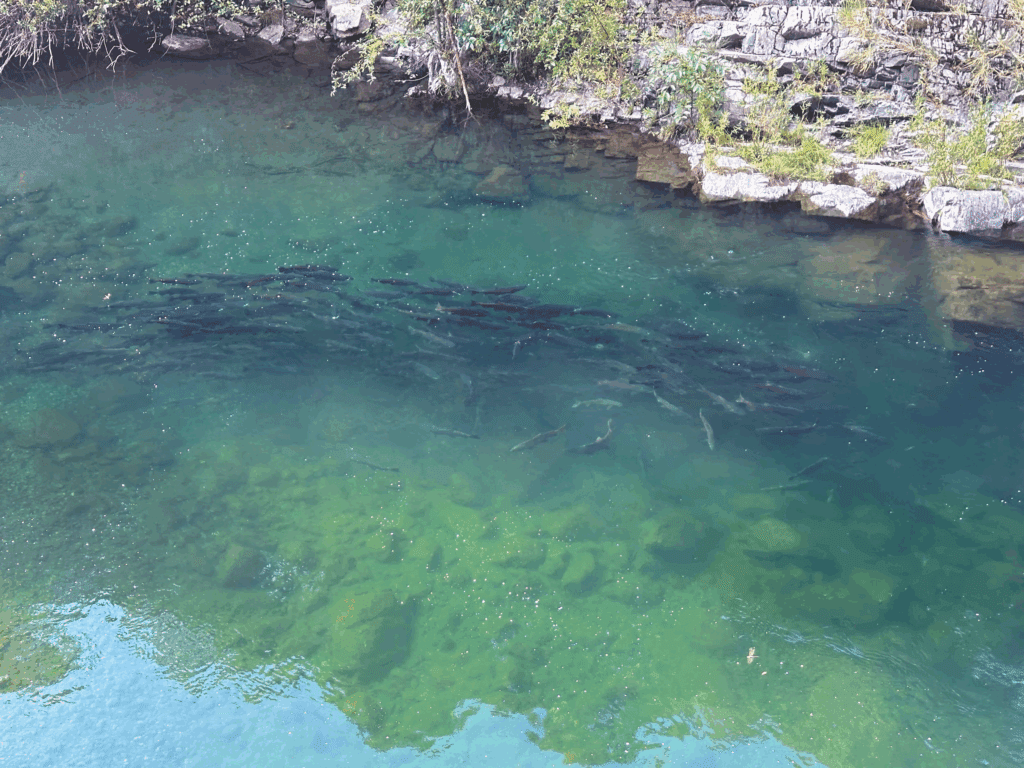
Salmon: Restoring Critical Habitat
Historically, Central Valley rivers meandered through vast floodplains that served as natural nurseries for yount salmon, providing abundant food and shelter. Today, scientists project that 45% of California’s salmon runs will be extinct within 50 years.
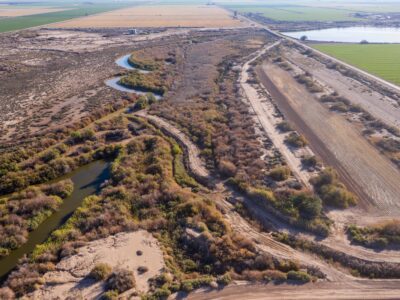
At our Willow Bend Preserve on the Sacramento River and dozens of other floodplain reconnection projects along Central Valley rivers, River Partners’ projects provide critical floodplain habitat for salmon to grow on, while restoring healthy river flows and temperatures supporting salmon migration.
These restored floodplains sustain the entire web of life—birds, insects, amphibians, mammals—all interdependent with salmon.
As River Partners Director of Restoration Science Michael Rogner puts it, “After these projects have been completed, you’re seeing fish utilize the habitat the next day. It’s just amazing. That’s where they want to be.”
Why These Wildlife Wins Matter
Every species that comes back is a signal that restoration works.
In 2025, River Partners crossed a major milestone: we’ve restored over 20,000 acres of riverside habitat in California since 2998. By putting back some of the 95% of riparian habitat that has been lost in the state over the past 200 years, we’re restoring vital lifelines that allows for these individual species to thrive. And, restoring balance with nature helps people and wildlife to thrive together with more resilient natural systems that provide water sustainability, flood protection, and climate stability.
Read more stories of Hope In Action from our 2025 Impact Report.