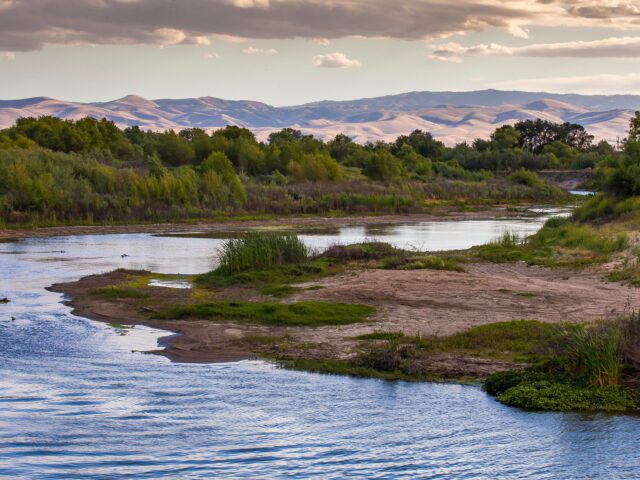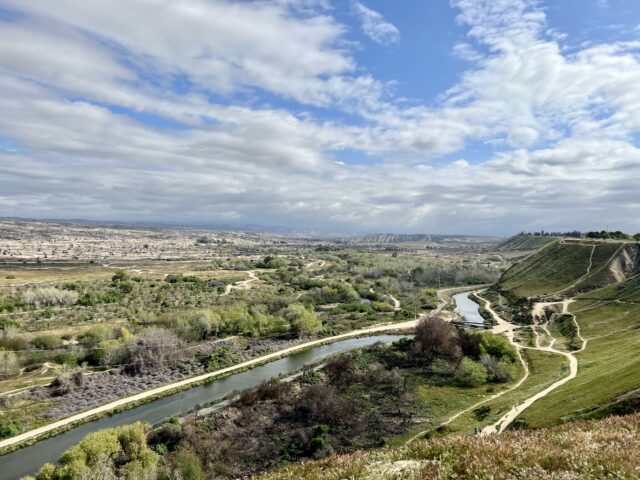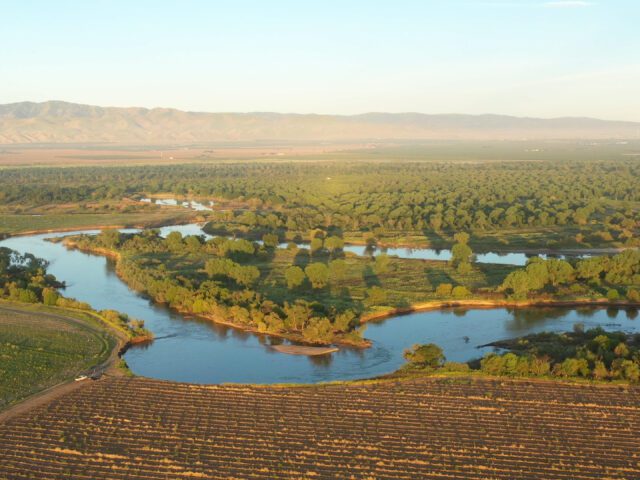

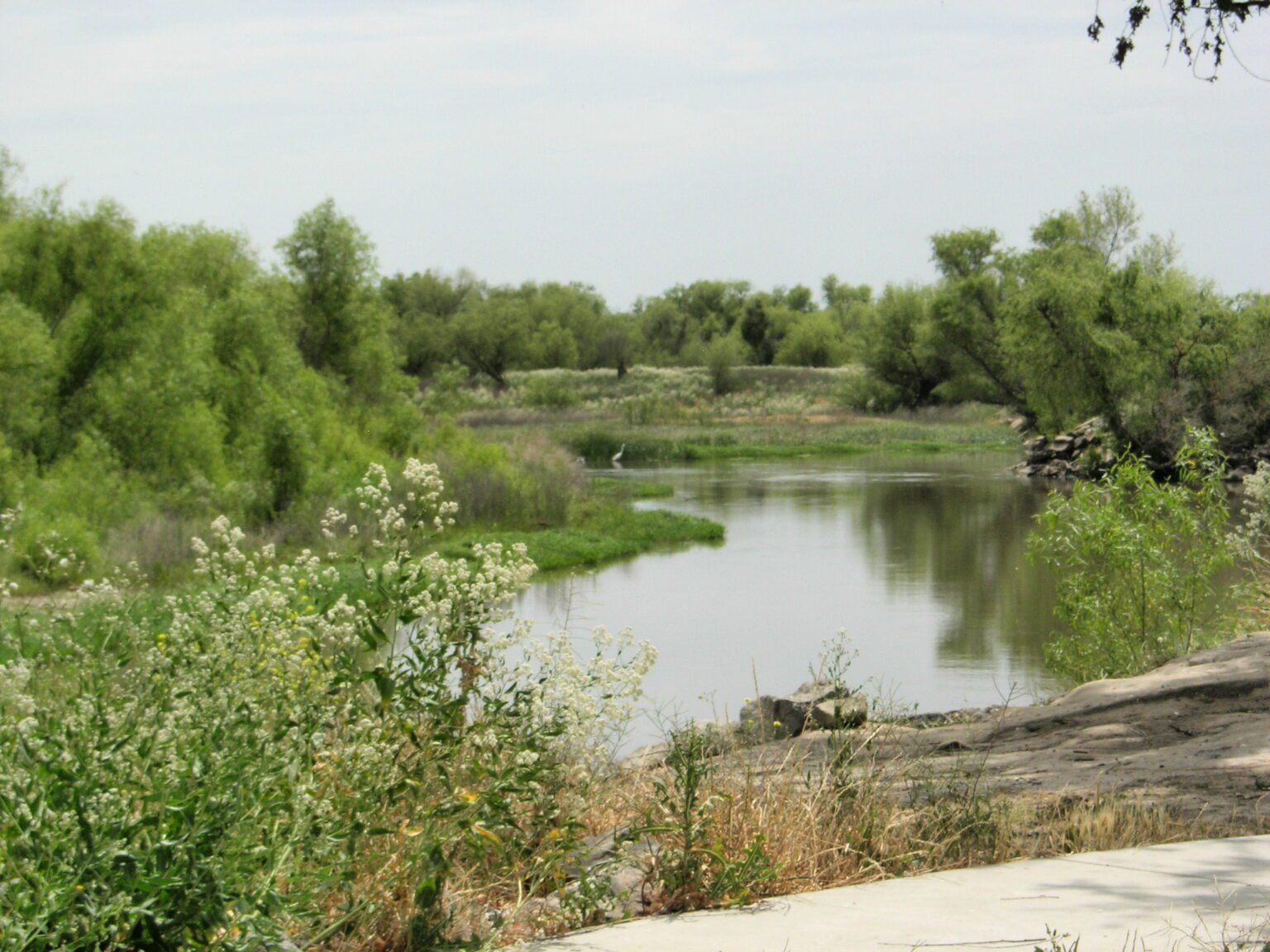
Imagine stepping back in time to witness California’s Central Valley 1,000 years ago: vast grasslands, meandering rivers, and vibrant wetlands and riparian corridors teeming with life. That’s exactly what you’ll find at Great Valley Grasslands State Park, part of California’s largest remaining wetland habitat located in the heart of the San Joaquin Valley.
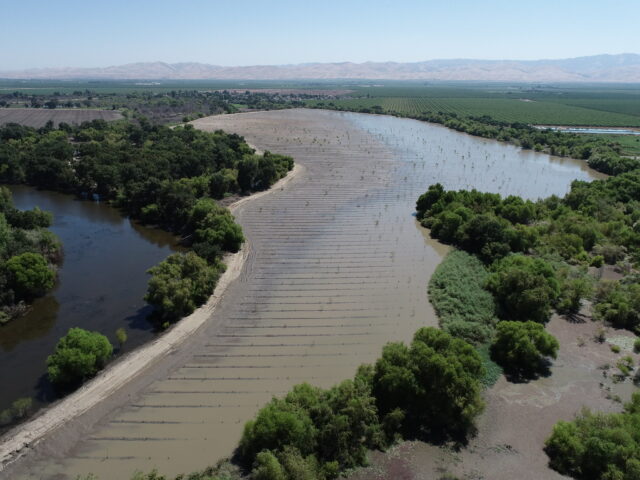
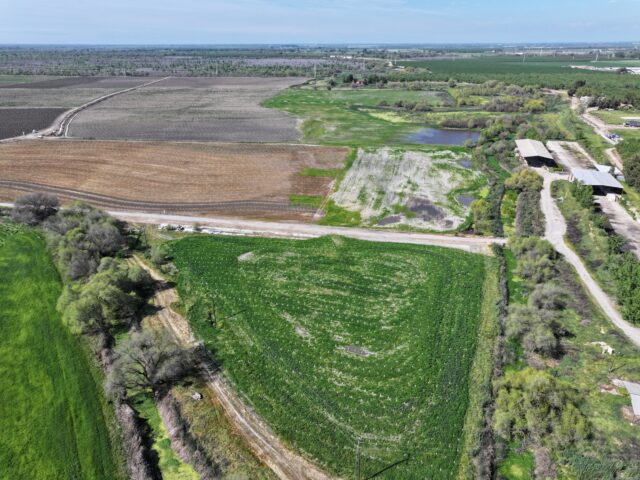
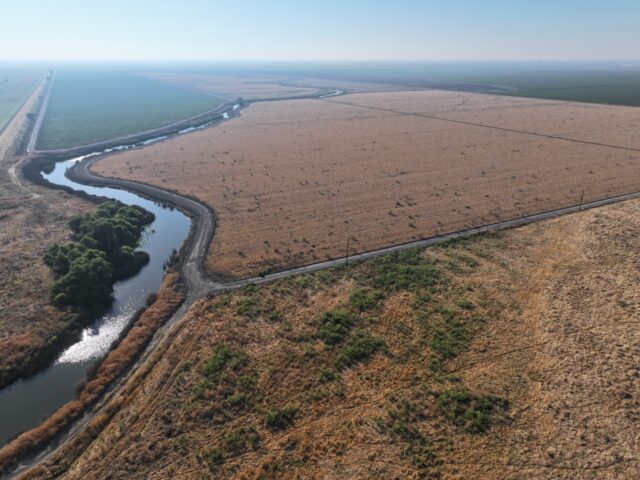
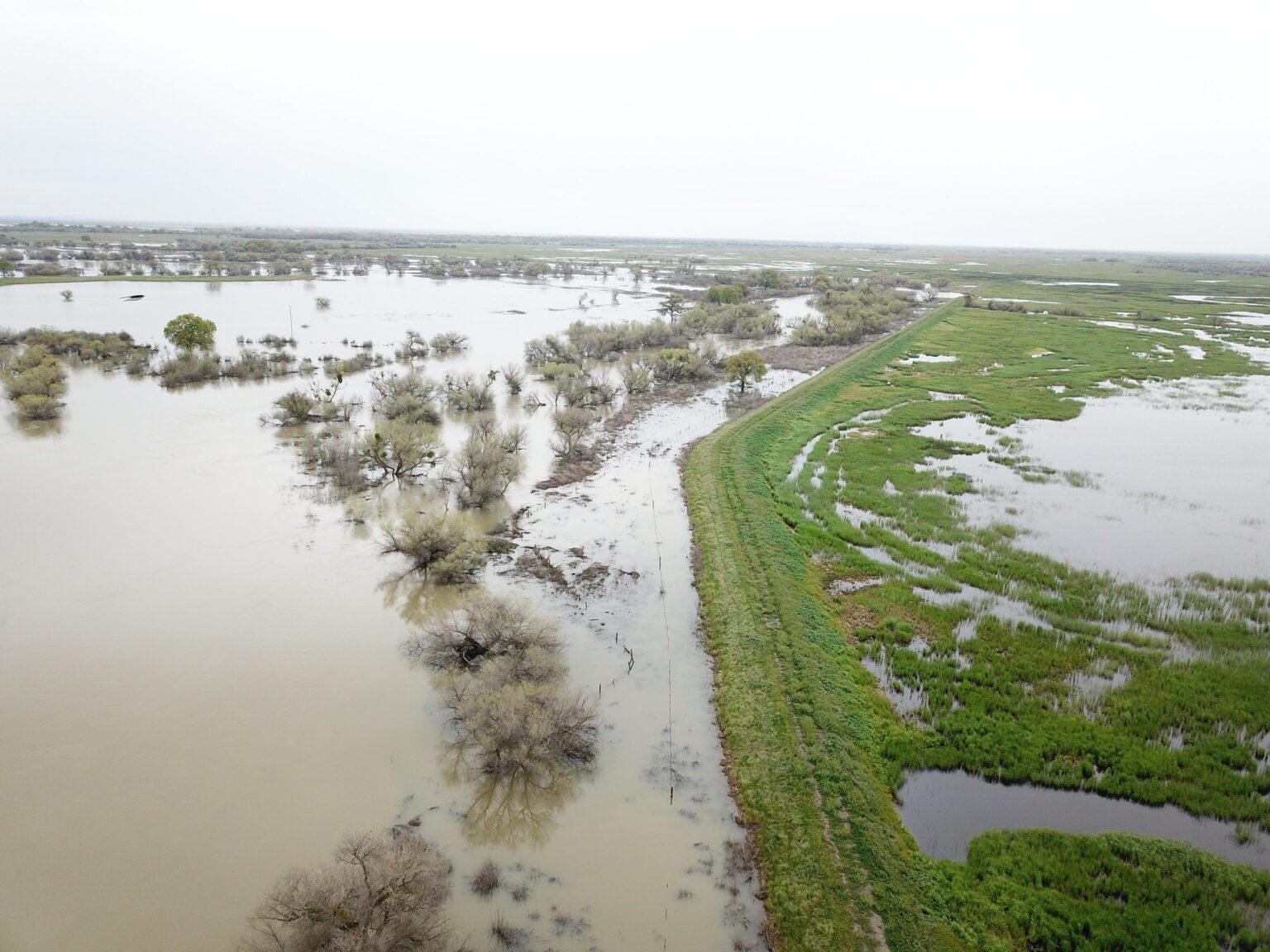
As the last, best remaining intact wetland and grassland ecosystem in California, an unused levee built long ago by cattle ranchers isolates part of the natural floodplain from the river. Cattle no longer graze the area and without natural floodplain hydrology, invasive plants have taken hold and threaten the sensitive ecosystem. Now, through assessment, funding, and permitting hurtles for more than 10 years (including decommissioning the levee), restoration efforts are underway to remove portions of the levee and restore floodplain connectivity.
The project is led by American Rivers in partnership with a coalition of local Tribes and project partners, including California State Parks, River Partners, Ducks Unlimited, the U.S. Fish and Wildlife Service, California Department of Water Resources, U.S. Bureau of Reclamation, California Department of Fish and Wildlife, and Central Valley Irrigation District.
Project Impact
227 acres to be restored
222 acres of prescribed burning took place in June 2022
12 priority species protected
PLUS increased public recreational access
ABOUT GREAT VALLEY GRASSLANDS STATE PARK
The first phase of restoration is notching and degrading the levee that was built in the 1950s, letting the river erode the rest naturally, restoring connectivity to the river that hasn’t happened for decades. During high flood events, the river will now be allowed to breach its banks, overtop the levee, and flow into the notched areas, eating away at and degrading the levee as it erodes.
When the river overtops its channels during heavy rains, it will flood in areas where it hasn’t flooded since the levee was created. The construction, or rather de-construction, began in October 2025—only California’s second restoration project to successfully remove a levee from a levee authority’s maintenance responsibility.
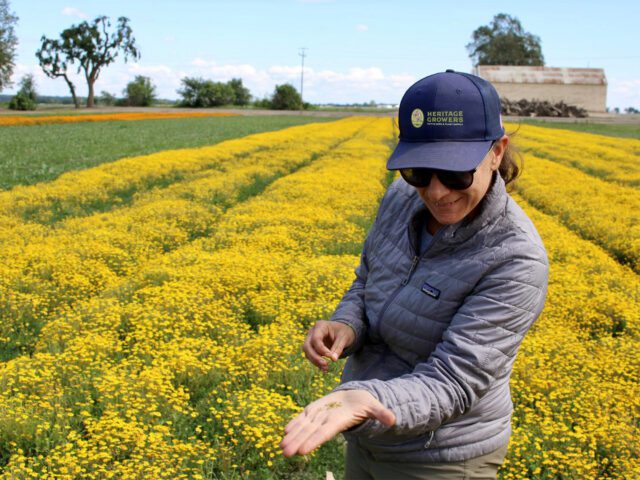
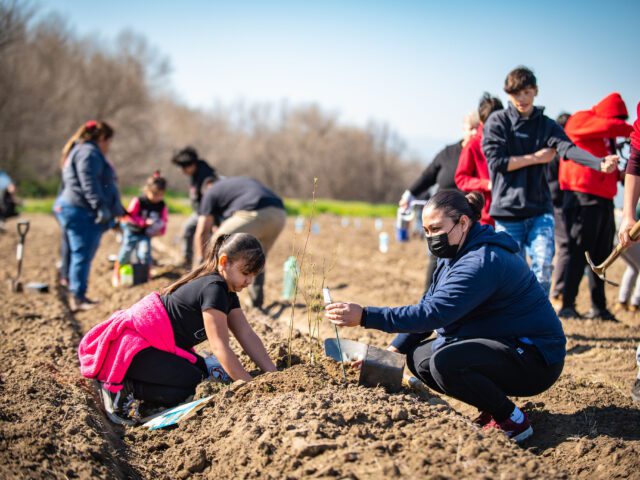
During this phase, River Partners is also planting and seeding native grasses, shrubs, and trees to assist the regeneration of the floodplain. Heritage Growers, a native seed non-profit venture of River Partners, collected seeds from the grassland to use for future restoration. This restored natural hydrology will benefit aquatic species living in the water by creating over 200 acres of new habitat for baby salmon as well as plants native to the grassland ecosystem that evolved with a river floodplain hydrology.
The restoration follows a philosophy of “river-driven recovery,” said Dr. Ann Willis, American Rivers California Regional Director, which means that it is guided by the river itself and not an engineer’s plan. The river is expected to take a more complex, resilient, and successful approach to regeneration.

In addition to restoring the natural hydrology of the floodplain, California State Parks and partners have used prescribed burns to rejuvenate the health of the grasslands. In June 2022, a 222-acre area was burned in cooperation with U.S. Fish and Wildlife Service, Amah Matsun Band fire crew, and Northern Valley Yokuts.
After ecological restoration takes place, the next task will be to elevating the experience of visiting Great Valley Grasslands State Park, one of the largest, best-preserved natural areas in the region. Goals include improving public access to and updating signage within the park (including in non-English languages) for an enhanced experience at one of the most park-starved regions in the state.


Photos top to bottom, left to right:
- Flooding of the San Joaquin River at Great Valley Grasslands State Park. The levee has been decommissioned and will naturally degrade to reconnect the historic floodplain to the river flow.
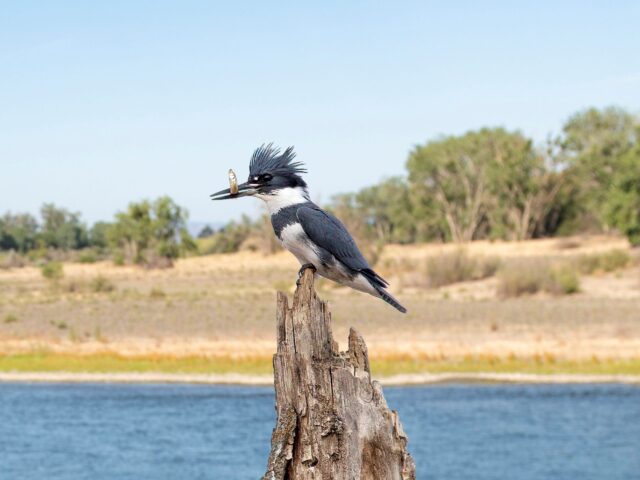
- This restoration will reverse habitat loss for a host of wildlife, including migratory birds and threatened species like Chinook salmon and fairy shrimp, which live in the San Joaquin River.
- A Heritage Growers team member collects great valley gumplant (Grindelia camporum) at nearby San Luis National Wildlife Refuge, which will be used for native vegetation restoration at Great Valley Grasslands State Park.
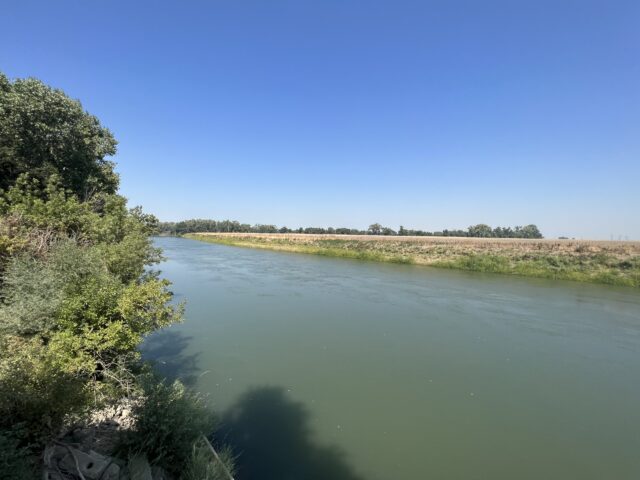
- The San Joaquin River inside Great Valley Grasslands State Park.