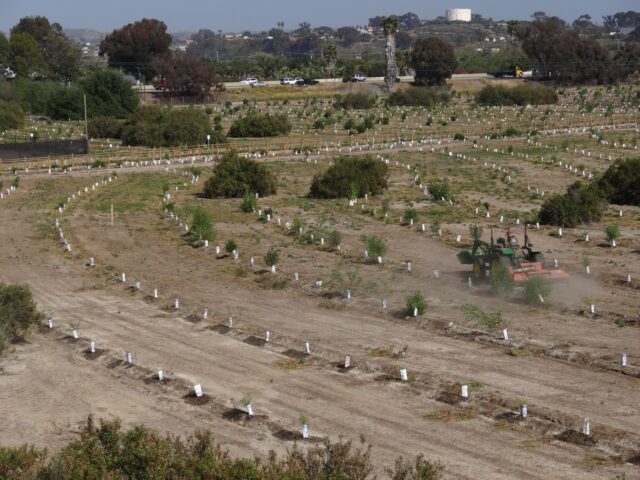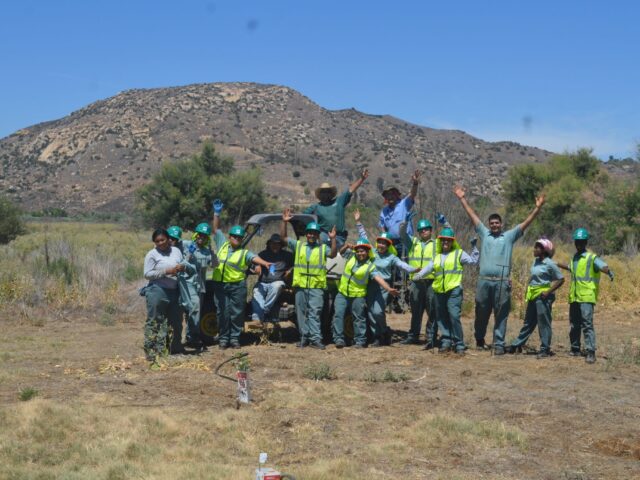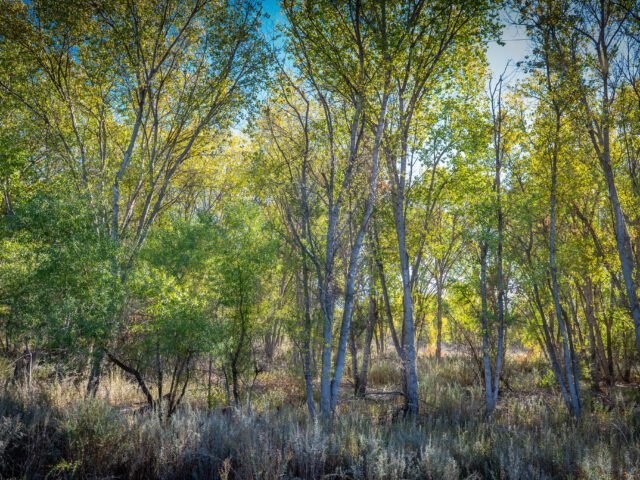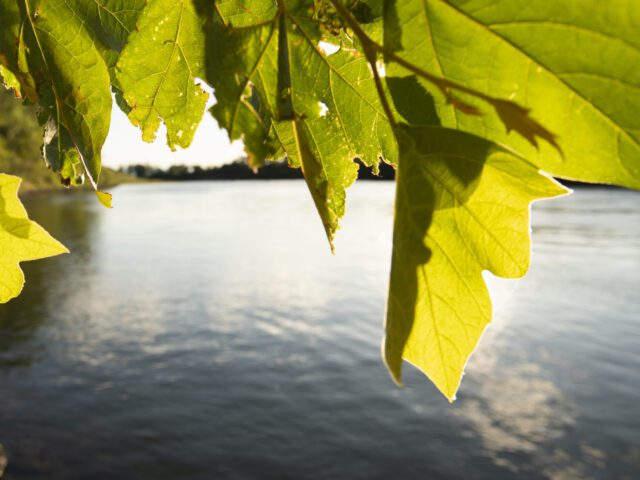

In 2008, River Partners received funding from the U.S. Fish and Wildlife Service and Ducks Unlimited to design and led restoration work at the nearly-18,500-acre that involved planting over 13,000 native trees, shrubs, grasses, and forbs across a 55-acre riparian restoration project in the Cibola National Wildlife Area’s Island Unit. The wildlife refuge lies in southeastern California and southwestern Arizona and is separated by the Colorado River.
Following plant installation, River Partners irrigated and maintained the site through 2011. By this time, the plants had developed root systems capable of sustaining continued establishment without further intervention and invasive weed species were rare across the project site.
In an area that averages just 3–5 inches of rain per year, water here is extremely valuable. Our post-restoration maintenance methods save water, irrigating for less than three years versus decades of watering by others leading similar projects. After the short initial establishment period, we let nature take over.
PROJECT IMPACT
55 acres restored
13,000 native trees and vegetation planted
23 priority species protected
PLUS
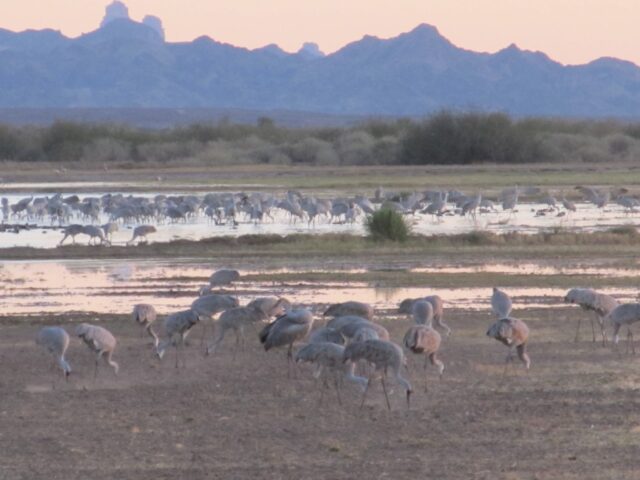
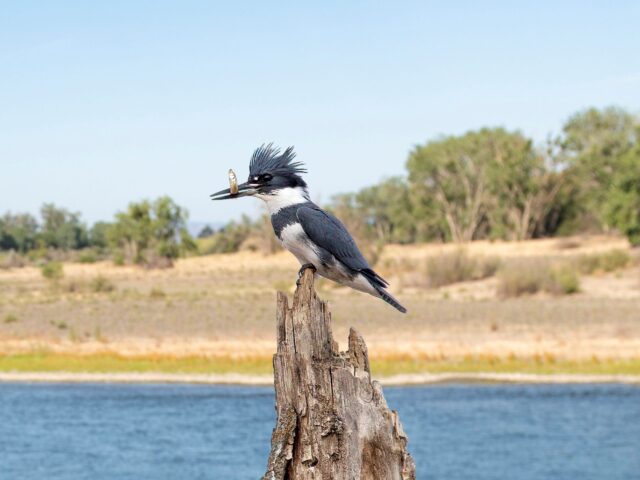
rejuvenates habitat for migratory birds along the 10,000-mile Pacific Flyway
ABOUT CIBOLA NATIONAL WILDLIFE REFUGE
The Cibola National Wildlife Refuge is located within the Colorado River floodplain, a lush, green oasis in one of the driest regions of the United States. It provides vital habitat for mammals, reptiles, amphibians, and a range of native vegetation, and is a biodiversity hotspot for a wealth of wildlife, including a number of endangered species like the Western yellow-billed cuckoo, desert tortoise, and desert pupfish. It’s a major stop along the 10,000-mile Pacific Flyway for migratory birds—more than 280 bird species regularly visit.
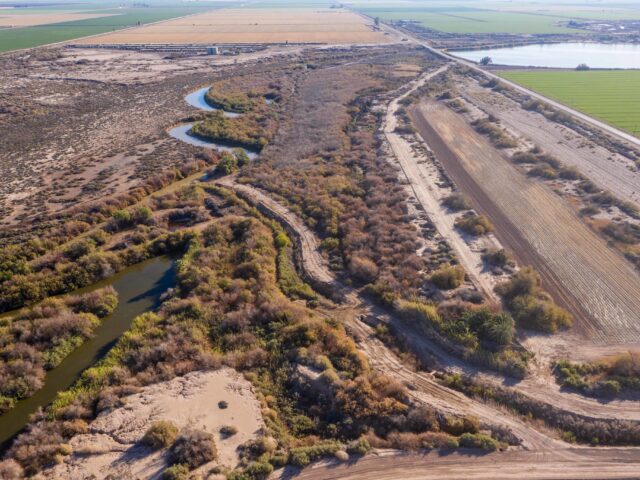
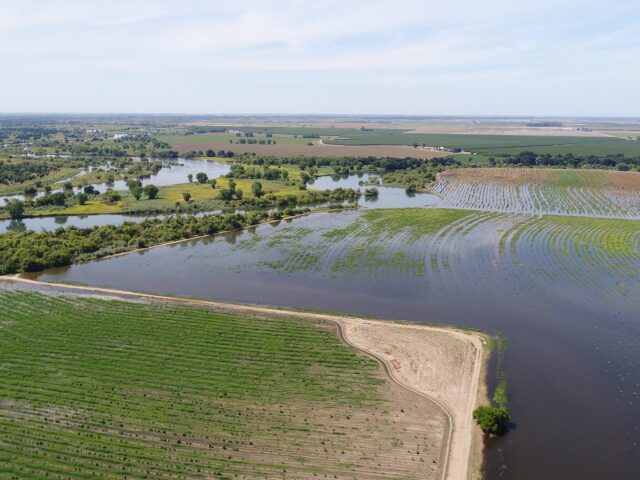
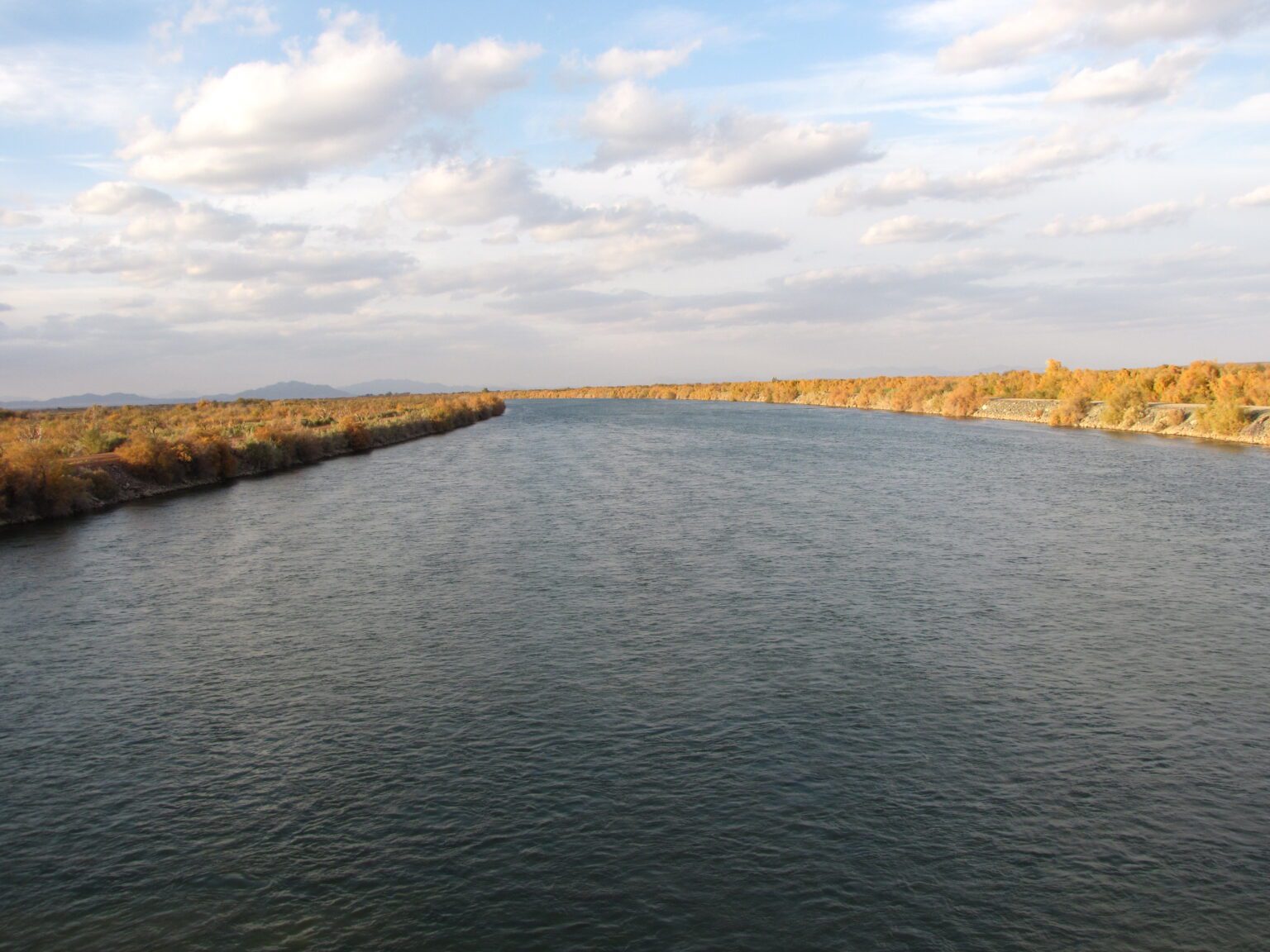
The refuge is fed largely by the Colorado River, one of the country’s most overdrawn waterways, leaving it and surrounding areas in critical need of revitalization. It’s an area that doesn’t get a lot of attention and where resources have been easily and readily extracted. River Partners seized this opportunity for impactful habitat restoration by revitalizing this vast landscape where wildlife can live and thrive and where people can enjoy the outdoors.

In 2020, roughly a decade after our initial restoration, we returned to the refuge to study how our restoration is paying off, a critical additional step in continually improving restoration efforts across the region. Analysis of the restoration’s value in terms of climate refuge will likewise inform our ongoing climate change mitigation and adaptation planning. Lessons learned through this effort will directly inform restoration planning along the other waterways to maximize ecosystem and natural-resource benefits.
Current conditions threaten the Colorado River basin ecosystem, from riparian habitat and the imperiled species that depend on them to wetlands that provide refuge to migratory birds and help enrich the river’s natural floodplain. This is a critical decade for riverway restoration—and that certainly includes the Cibola National Wildlife Refuge. While human activity continues to draw from an overstressed Colorado River for farming and communities, leaving less water for riparian habitat and wildlife in an ever-precarious ecological landscape, wildlife here simply cannot afford us to wait any longer. And by replacing invasive vegetation with native riparian forest and using less water in our planting palates, both of which retain more water on the landscape, River Partners is poised and ready to begin additional restoration efforts here.


Photos top to bottom, left to right:
- Riparian habitat and floodplain restoration on the Colorado River will benefit migratory birds, wildlife, and water savings.
- The Colorado River, one of the most stressed and overdrawn waterways in the country.
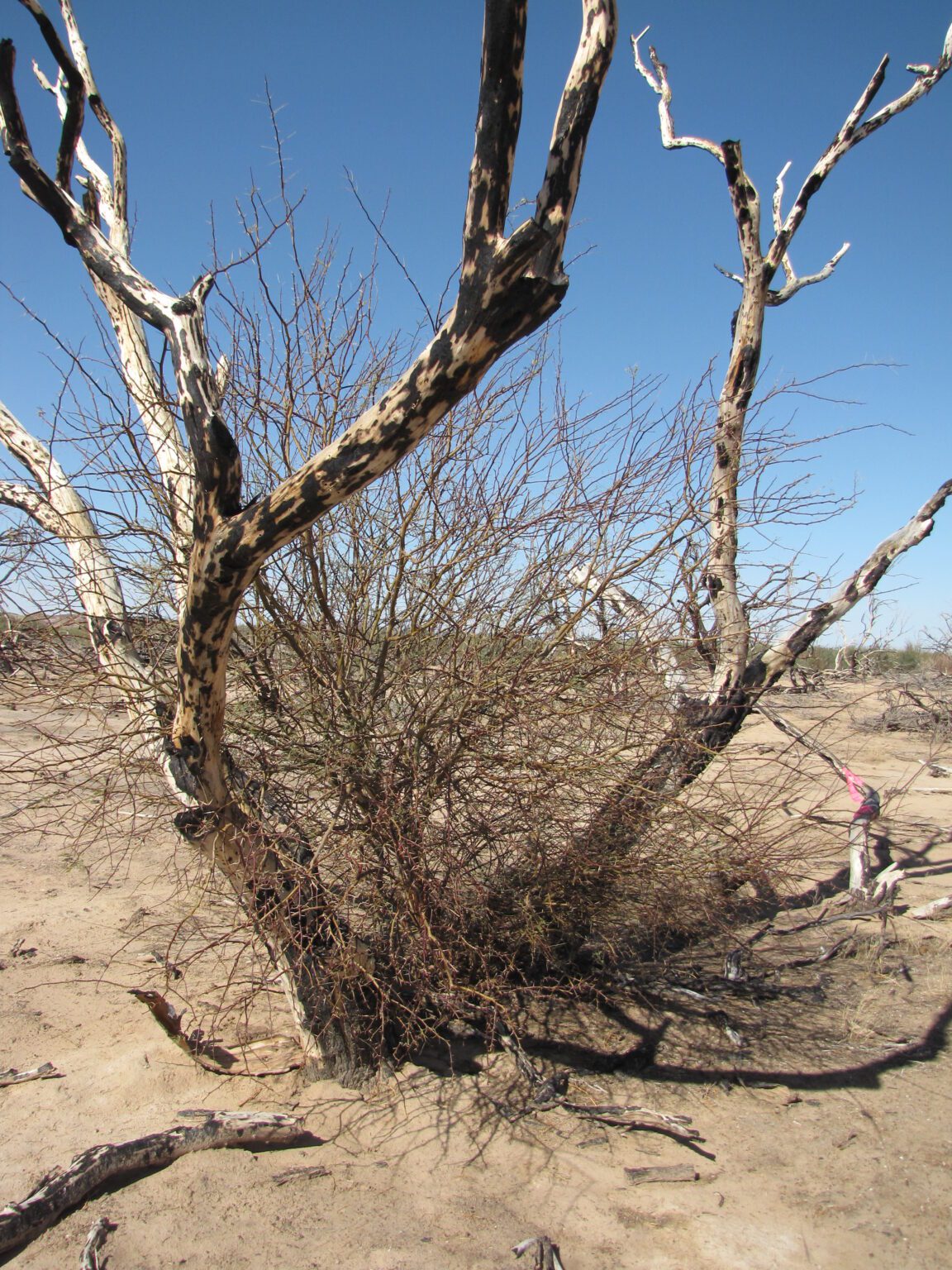
- Salt cedar, which has outcompeted native tree species, consumes large amounts of water, and has altered the hydrology of the area.
- A young deer visits one of the camera traps set up at Cibola National Wildlife Refuge.